Abstract Control Number: 5885 | AACR 2025
Streck Research and Development, La Vista, NE
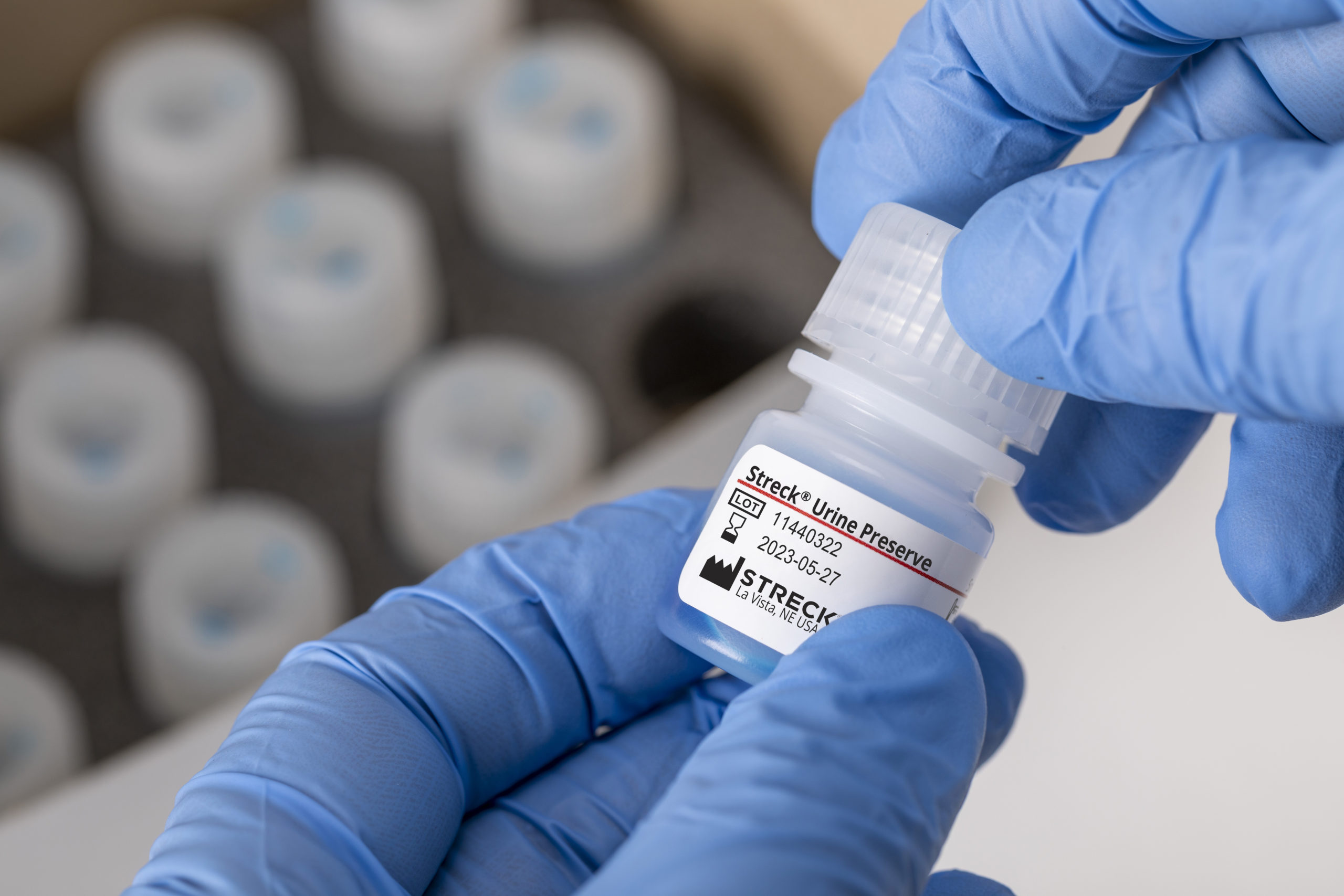
Streck® Urine Preserve provides cell-free DNA stabilization in whole urine for liquid biopsy
Sama Mehta, Lisa Bartron, MB(ASCP), Stephanie Cossette, MB(ASCP), Kathy Hecker, MS, Chris Connelly, Ph.D., and Jing Li, Ph.D.
INTRODUCTION
Urinary cell-free DNA (ucfDNA) has gained recognition as a critical biomarker for liquid biopsy, as it provides comprehensive and invaluable insights for cancer researchers, especially for urological cancers such as bladder, kidney, and prostate cancers. While urine as a sample matrix offers appealing advantages over blood, including large sample volume and truly non-invasive and easy self-collection, ucfDNA is a challenging and unstable analyte, as it is vulnerable to DNase degradation and contamination from bacterial and genomic DNA. Here, we describe the use of Streck Urine Preserve to minimize pre-analytical variables before ucfDNA extraction and downstream analysis.
METHODS
To determine whether Streck Urine Preserve effectively stabilizes ucfDNA and limits release of DNA from blood cells, exfoliated epithelial cells, and bacteria, second void urine was collected from donors, treated with Streck Urine Preserve and stored at 2 °C to 37 °C for up to 7 days. Following storage, ucfDNA was isolated from 4 or 8 mL urine using a modified automated extraction method (with an addition of Proteinase K incubation at 55 °C for 30 min) with MAGicBead™ cfDNA Isolation Kit (Zymo Research) on a KingFisher Apex System (Thermo Scientific). Please note that Streck Urine Preserve is also compatible with a variety of cfDNA extraction kits including Qiagen QIAamp® Circulating Nucleic Acid Kit, ThermoFisher MagMAX™ cfDNA isolation kit, and Promega Maxwell® RSC ccfDNA LV plasma kit, using modified protocol with the addition of Proteinase K incubation. Target human ucfDNA concentrations were monitored by ddPCR or dPCR using a housekeeping gene (ACTB) as a surrogate marker. Bacterial count in samples was analyzed using Sysmex UF-1000i Urine Analyzer. The total bacterial burden in the extracted ucfDNA sample was analyzed using qPCR targeting 16S rRNA.
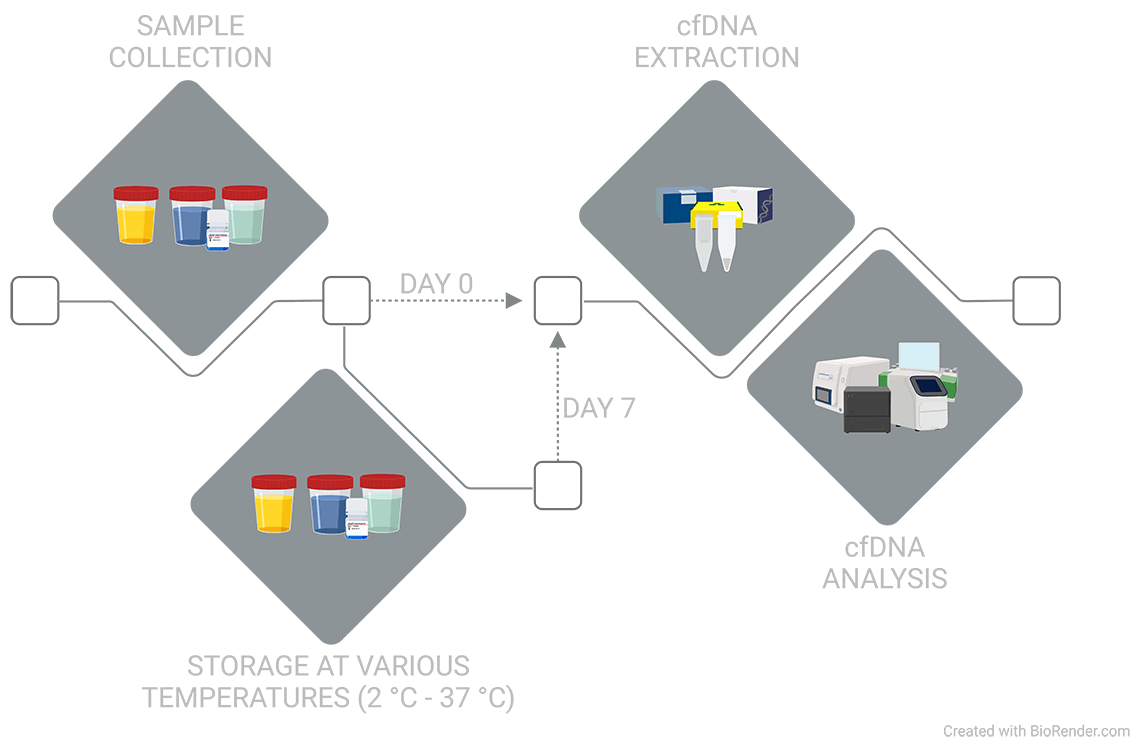
Figure 1. Second void urine was collected from donors and left untreated or treated with Streck Urine Preserve at various preservative-to-urine ratios (represented as blue and teal liquid). At collection (day 0) or after 7 days of ambient temperature storage (day 7), ucfDNA was extracted and analyzed.
RESULTS
Streck Urine Preserve stabilizes urinary cell-free DNA in whole urine at ambient temperature
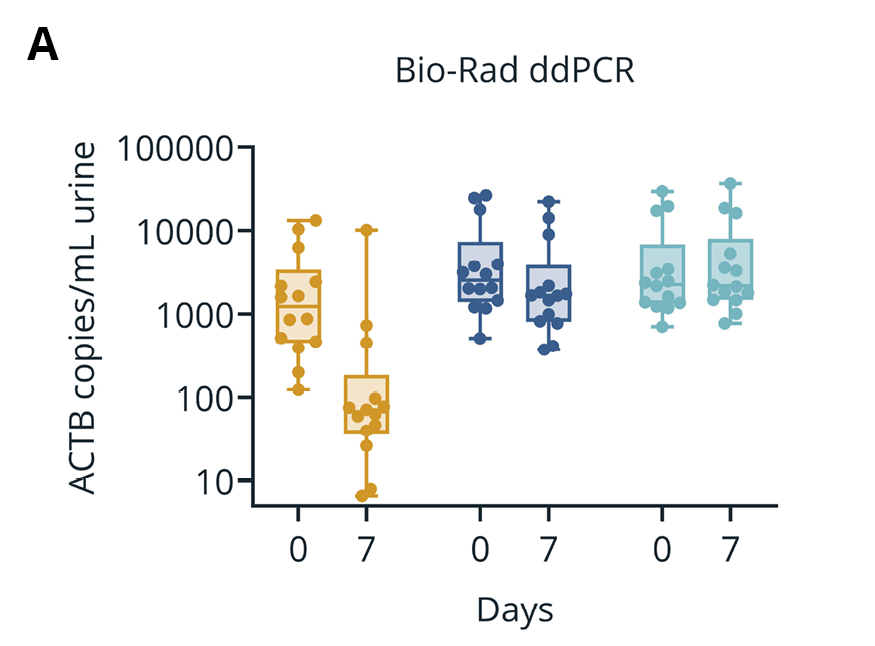
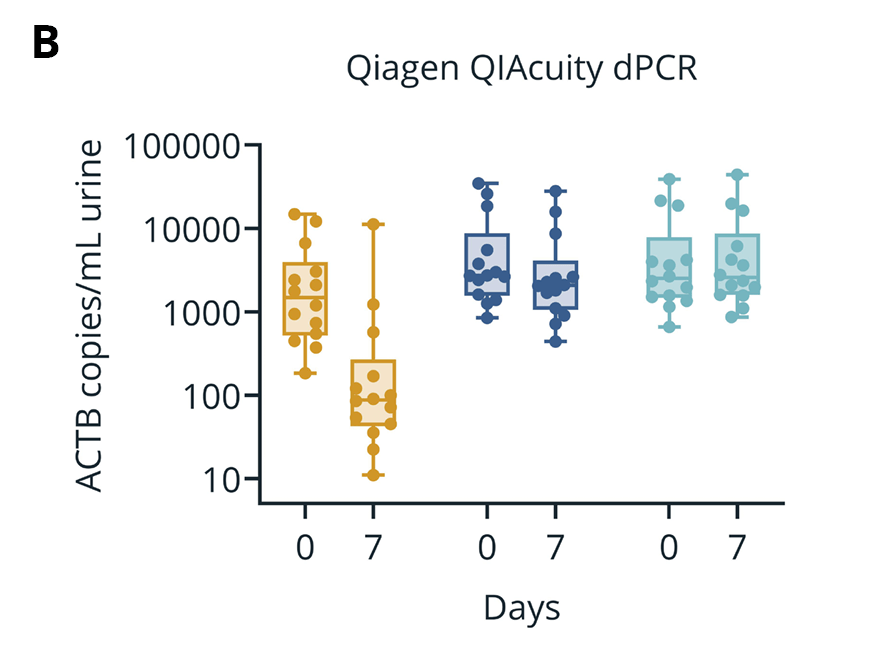
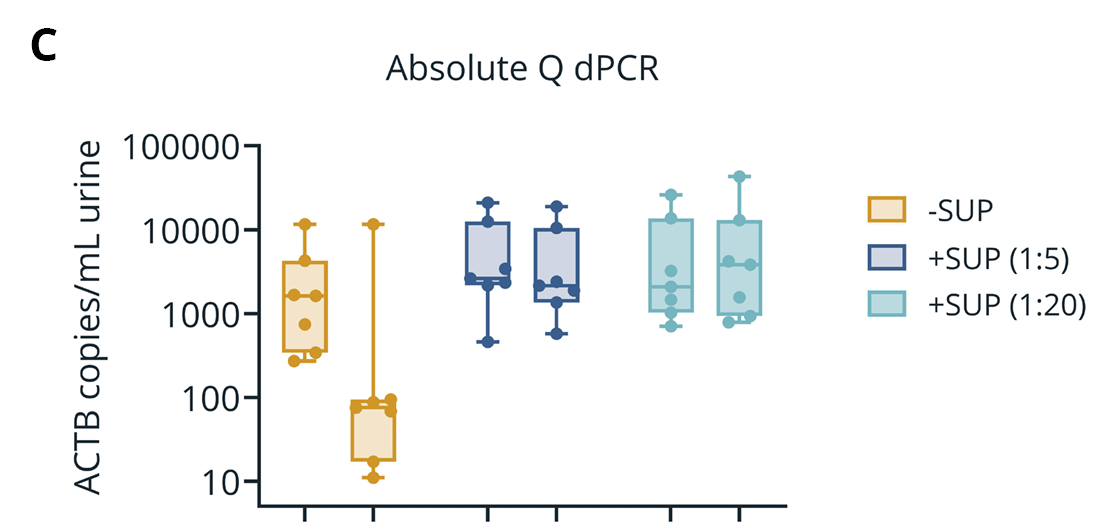
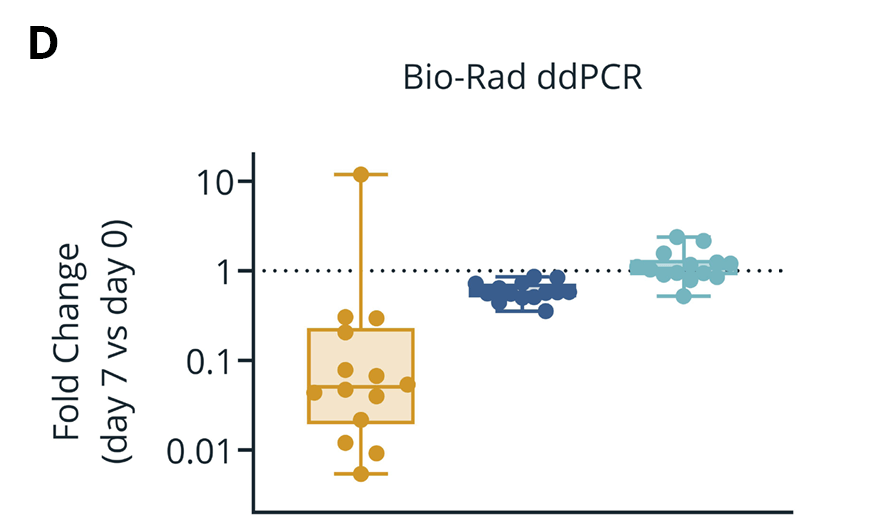
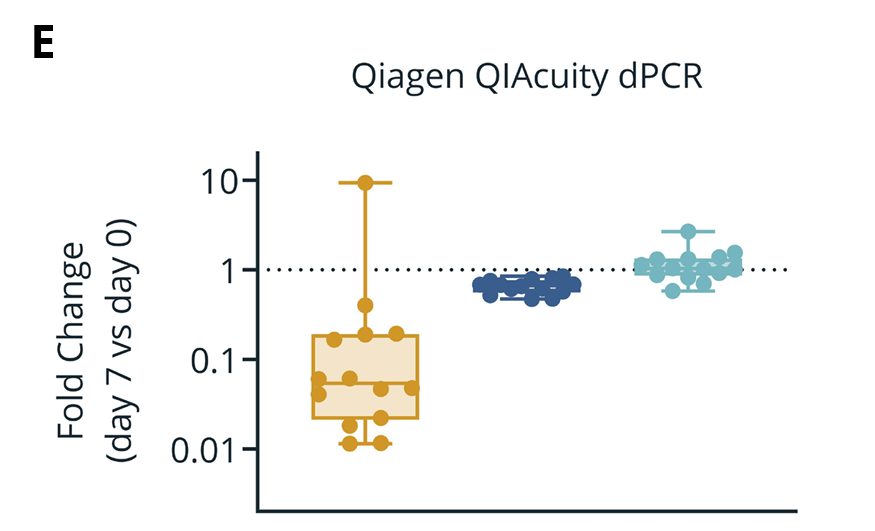
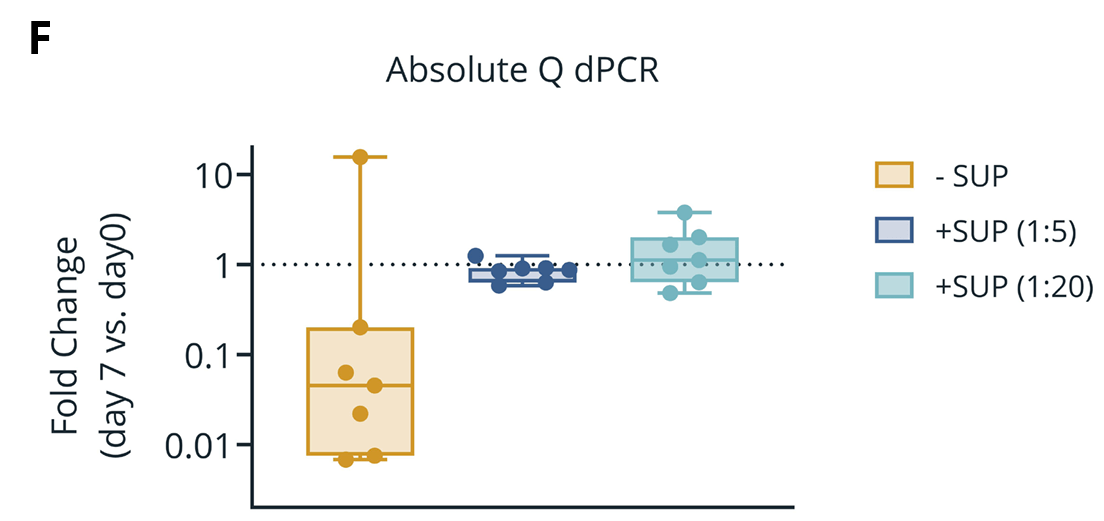
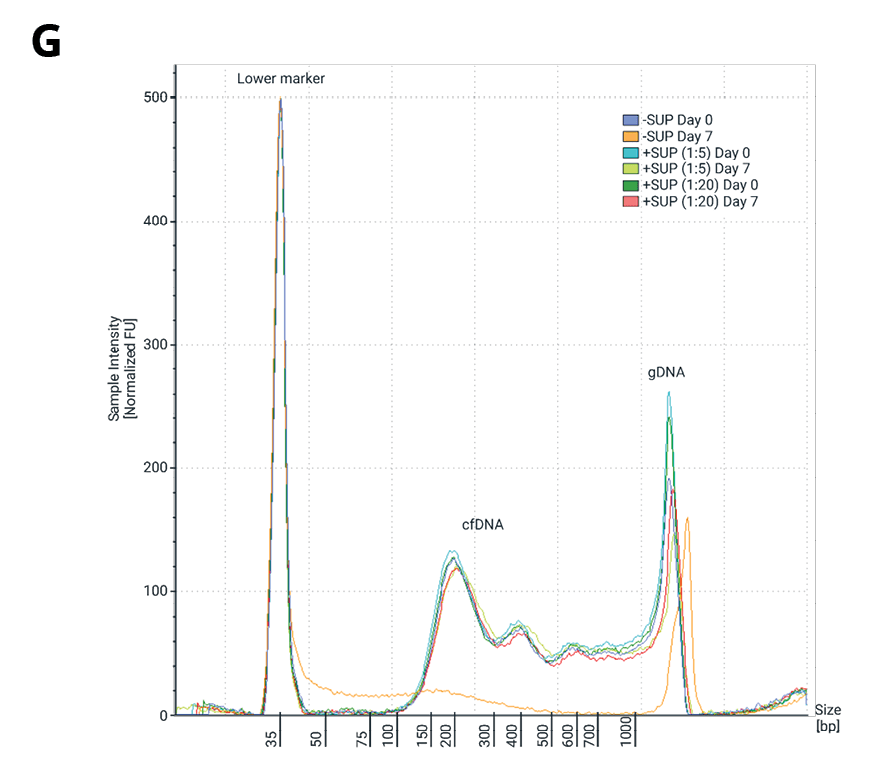
Figure 2. (A, B, C) Abundance of ACTB (housekeeping gene) in the extracted ucfDNA from second void urine samples left untreated (-SUP) or treated with Streck Urine Preserve at a 1:5 or 1:20 preservative-to-urine ratio (+SUP (1:5) or +SUP (1:20) at collection (day 0) and after 7 days of storage at ambient temperature (day 7). (D, E, F) Fold change of ACTB abundance in the extracted ucfDNA from samples left untreated (-SUP) or treated with Streck Urine Preserve at a 1:5 or 1:20 preservative-to-urine ratio (+SUP (1:5) or +SUP (1:20) after 7 days of ambient temperature storage relative to void (day 0) ACTB concentration (n=7-14). (G) Representative electropherogram overlay of ucfDNA from second void urine samples left untreated (-SUP) or treated with Streck Urine Preserve at a 1:5 or 1:20 preservative-to-urine ratio (+SUP (1:5) or +SUP (1:20) at collection (day 0) and after 7 days of storage at ambient temperature (day 7).
Streck Urine Preserve stabilizes urinary cfDNA at various storage temperatures
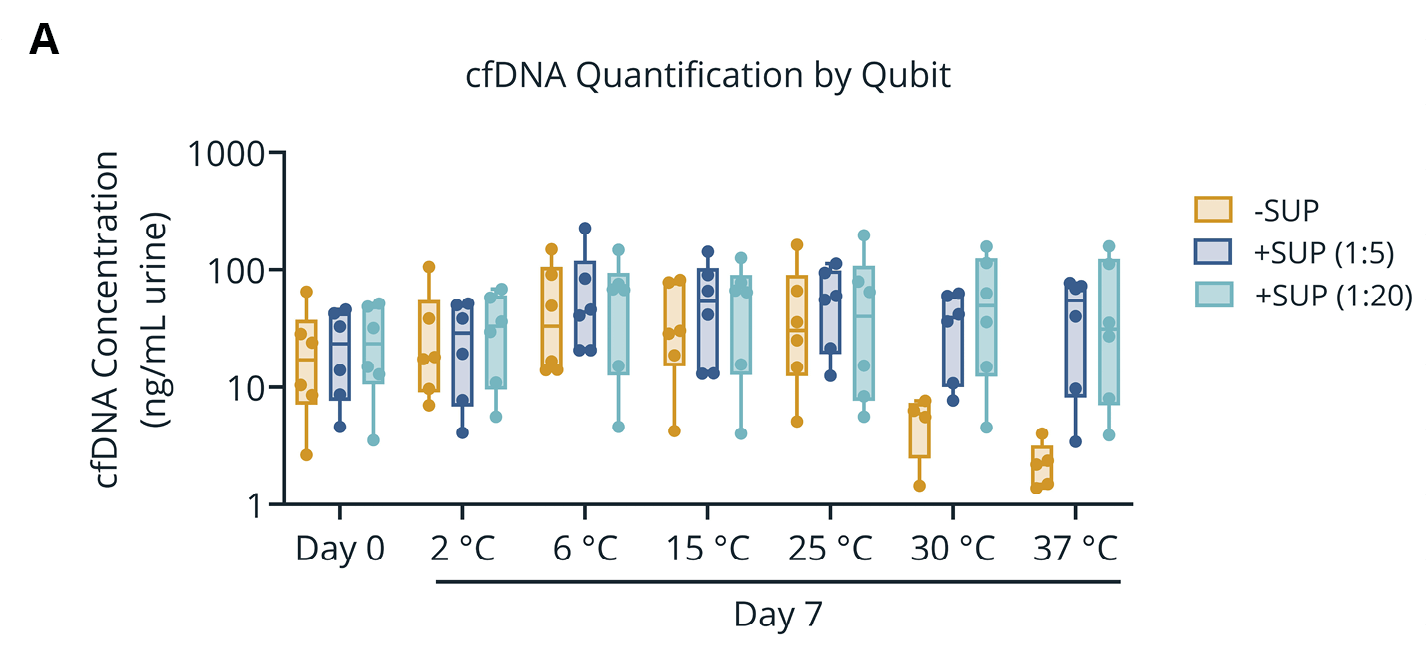
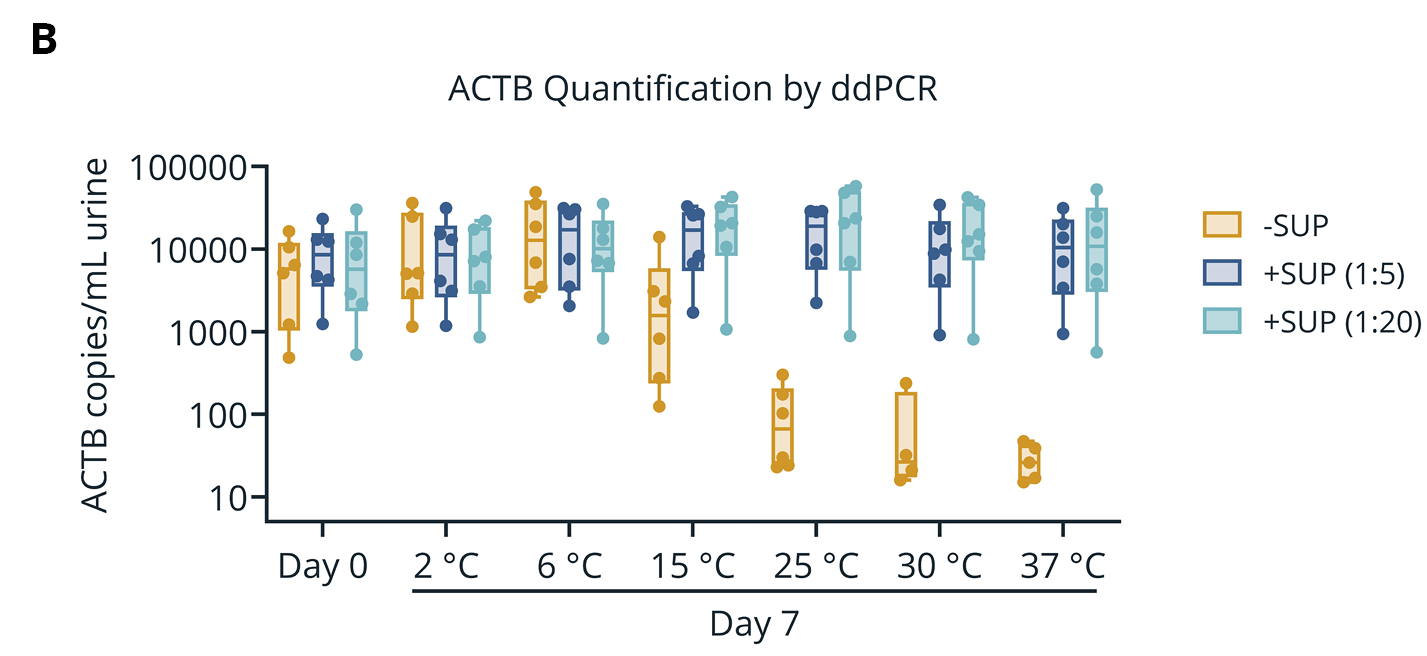
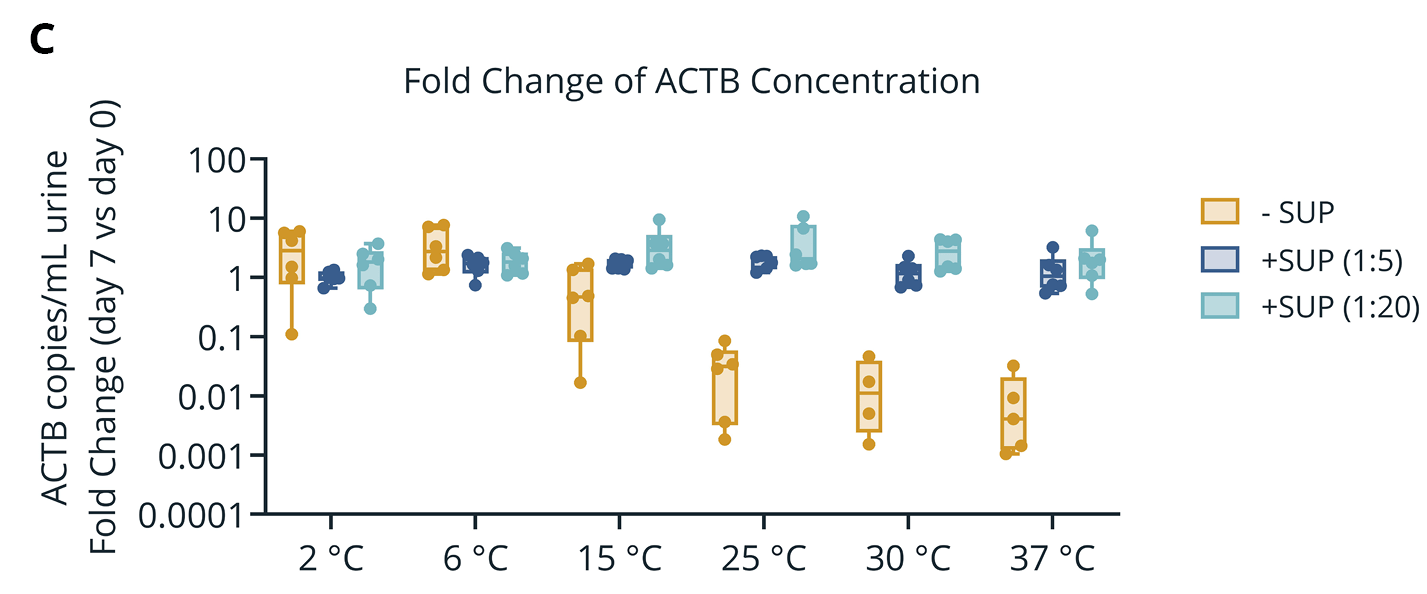
Figure 3. Crude total ucfDNA quantification (A) and ddPCR quantification (B) of ACTB (housekeeping gene) in extracted ucfDNA from second void urine samples left untreated (-SUP) or treated with Streck Urine Preserve at a 1:5 or 1:20 preservative-to-urine ratio (+SUP (1:5) or +SUP (1:20) at collection (day 0) and after 7 days of storage at various temperatures (2 °C – 37 °C) (day 7). (C) Fold change of ACTB quantity in samples left untreated (-SUP) or treated with Streck Urine Preserve at a 1:5 or 1:20 preservative-to-urine ratio (+SUP (1:5) or +SUP (1:20) after 7 days of storage at various temperatures (2 °C – 37 °C) relative to void (day 0) ACTB concentration (n=6).
Streck Urine Preserve minimizes bacterial growth in collected urine samples
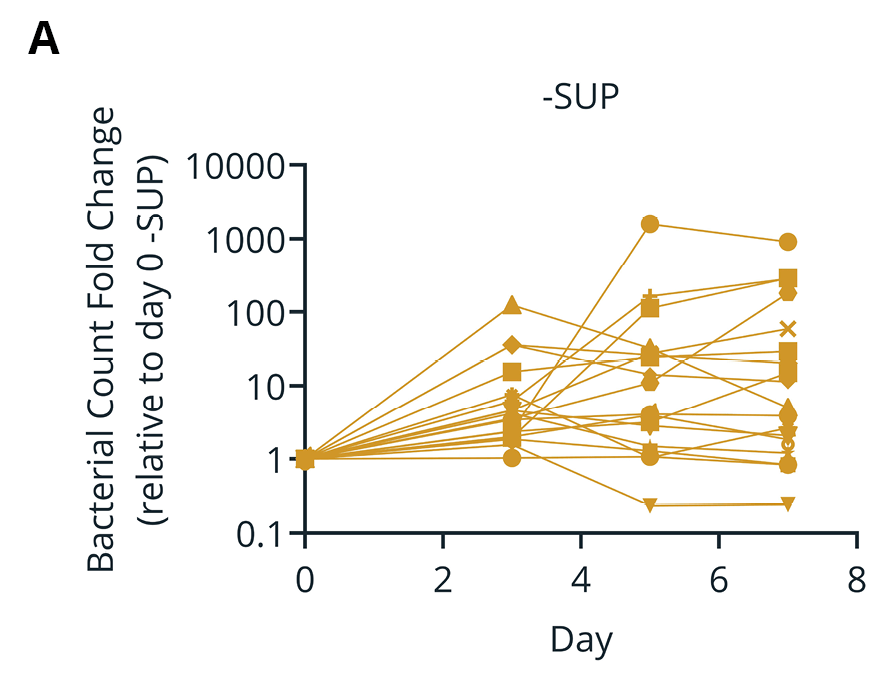
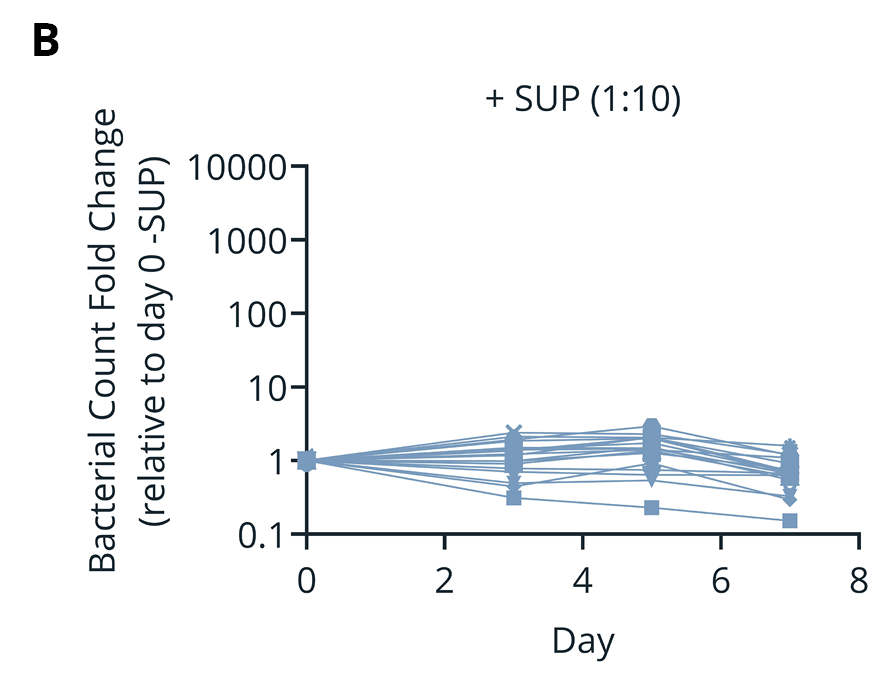
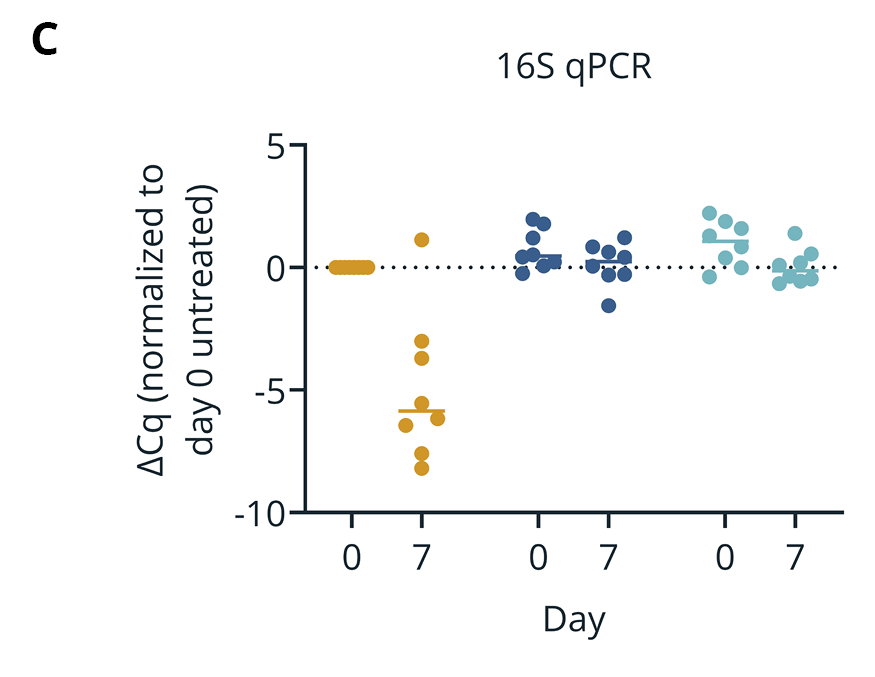
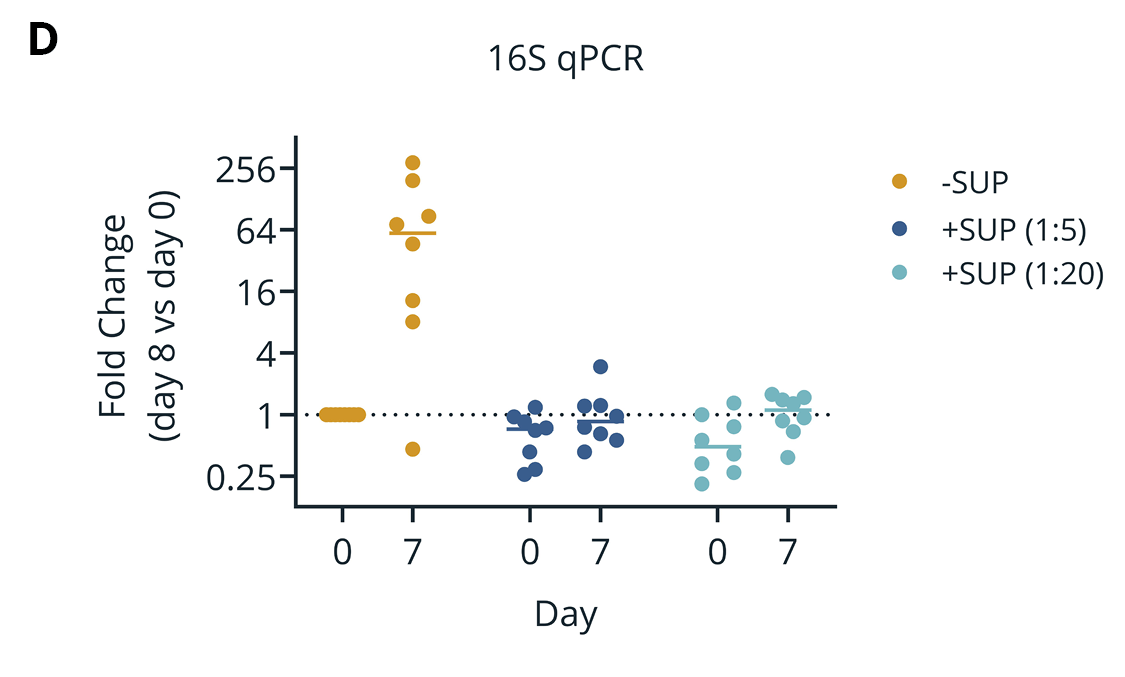
Figure 4. Fold change of bacterial count in urine samples left untreated (-SUP) (A) or treated with Streck Urine Preserve at a preservative-to-urine ratio of 1:10 (+SUP (1:10)) (B) after 7 days of ambient temperature storage relative to bacterial count at void (day 0) (n=18). (C) Bacterial 16S rRNA quantities in ucfDNA extracted from urine samples left untreated or treated with Streck Urine Preserve at a 1:5 or 1:20 preservative-to-urine ratio (+SUP (1:5) or +SUP (1:20) at collection (day 0) and after 7 days of ambient temperature storage (day 7). (D) Fold change of bacterial 16S rRNA quantity in samples left untreated (-SUP) or treated with Streck Urine Preserve at a 1:5 or 1:20 preservative-to-urine ratio (+SUP (1:5) or +SUP (1:20) after 7 days of ambient temperature storage relative to void (day 0) ACTB concentration (n=8).
CONCLUSIONS
Streck Urine Preserve ensures sample integrity and minimizes pre-analytical variables, providing cancer researchers and assay developers flexibility in sample handling and enhanced confidence in the validity of downstream ucfDNA analysis results.
Streck Urine Preserve is for Research Use Only. Not for use in diagnostic procedures.