

Quality Control · Flow Cytometry
Built to Catch
What Drift Hides
An instrument can drift or reagent lot can change for weeks without a bead-based instrument check ever noticing, skewing a cell count in one panel or a staining pattern in another. By the time it’s obvious, the wrong result may have already reached a patient.


New to flow cytometry QC
What Is Flow Cytometry QC, Really? Your Questions Answered.
Plain-language answers on what a validated, independent control actually verifies that a bead-based instrument check, a co-formulated control or a retained patient sample can’t.
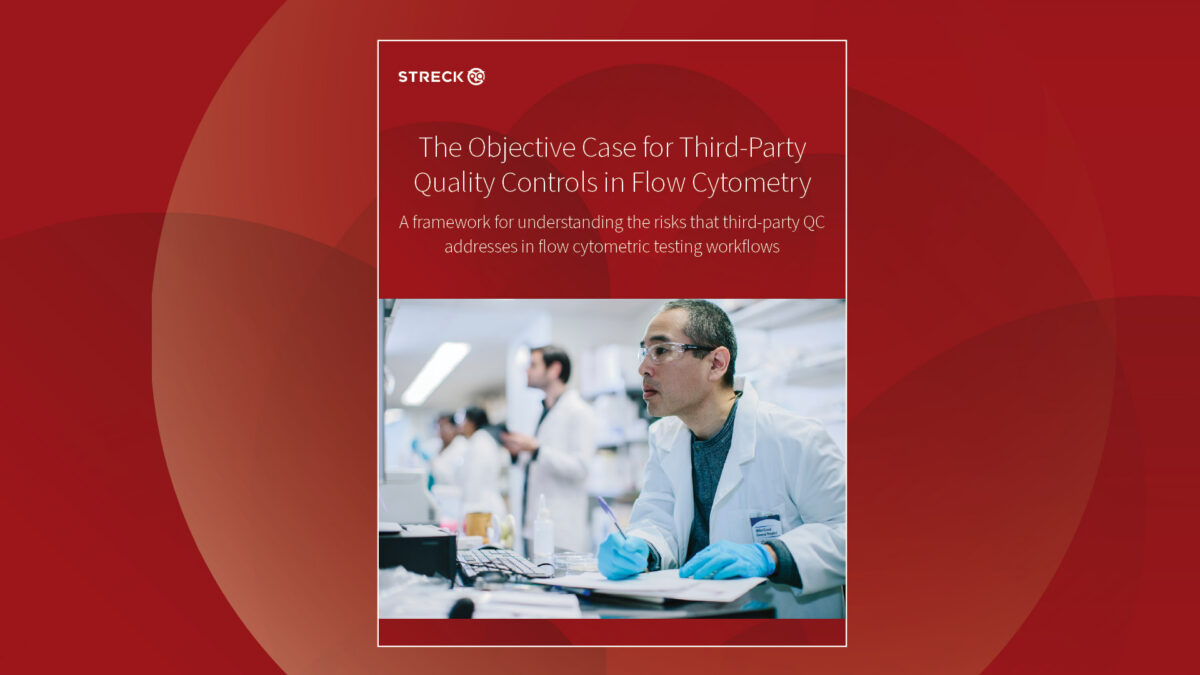
New to external quality control
Why 3rd Party Controls
The case for independent, third-party verification


Explore resources
Flow Cytometry QC Resource Hub
IFUs, regulatory documentation, videos and ordering support, organized by workflow and where you are in your QC program.
What a Bead-Based Instrument Check May Not Be Designed to Assess
Instrument QC and process QC are both required. Here’s the difference, and where each of your options fits.
Specimen preparation, staining, lysing, acquisition and gating are each a potential point of failure. Daily instrument checks (CAP FLO.30250) and daily process controls (CAP FLO.23737/FLO.23800) satisfy two separate requirements, the same distinction CLSI H62 draws between instrument qualification and biological assay control materials, and one CLIA codifies at 42 CFR 493.1254-493.1255 versus 493.1256; meeting one doesn’t complete the other.
Bead sets confirm the cytometer’s optics, lasers and fluidics, and nothing more, never touching a pipette or the gating logic a technologist applies. A control made by the same manufacturer whose reagents it’s checking compounds this: A degraded lot can show up identically in both, leaving the QC cycle silent exactly when it should flag something. Some labs fill the gap with a retained patient or donor sample instead, but without a manufacturer-assigned value or stability data behind it, that sample can confirm a run looks consistent without confirming it’s correct. Every specimen also has to be re-sourced, with no baseline to trend against from one draw to the next.
Separately, a control’s assigned values have to match the clinical question: an enumeration panel needs an assigned count and range, a rare-marker panel needs a defined positive population for that antigen.
What a Bead-Based Check, a Co-Formulated Control or a Patient Sample May Not Detect
Optics and fluidics can pass every day while pipetting, staining and gating go unchecked, the exact gap a 2019 FDA Class II recall of a widely used clinical flow cytometer exposed: falsely high absolute counts that routine instrument QC was not designed to detect.
A control made from the same clones, conjugates and lots as the assay it’s checking lets a systematic defect pass both at once.
With no manufacturer-assigned value, no second source and no stability data behind it, a patient or donor sample can only show that a run looks like the last one, without confirming either was right. Every specimen also has to be re-sourced, with no shared baseline to trend against from one draw to the next.
Pipetting and lysing drift, including the gap between a seasoned technologist and someone new to the bench, happen upstream of anything a bead-based instrument check can observe.
Signs You Need Independent QC
If any of these are true, you already need it. The earlier a gap is caught, the less it costs to fix.

Bead-based QC verifies the instrument’s optics and fluidics, not the pipetting, staining or lysing a technologist actually performs, and ultimately, the patient result that depends on it.





Built for Your Workflow
Your QC should verify the whole workflow: prep, staining, lysis and gating included. Consolidating QC into a single independent control can also reduce hands-on prep time and reagent use. Actual impact varies by lab volume and current QC configuration.

No Shared Inputs
Independent clones, conjugates and lots, so a defect in the assay’s reagents doesn’t live in the control too.
No Guesswork on Lot Changes
A fixed, lot-independent reference every time a new antibody or reagent lot comes online.
No Special Handling
Processed exactly like a patient specimen, through preparation, staining, lysis, acquisition and gating, and stable at 4 °C for up to 90 days closed-vial, unlike the patient specimen it’s replacing.
No Platform Lock-In
Compatible with BD Biosciences and Beckman Coulter systems, and Accellix on certain products.
A missed result is the predictable risk of QC that verifies the instrument and never touches the workflow that actually produced it.
Flow Cytometry Quality Control Portfolio
Our portfolio spans quantitative enumeration and qualitative immunophenotyping, from FDA-cleared clinical controls to Research Use Only controls for panel development.
Quantitative QC
Enumeration workflows: lymphocyte subsets, immune status and CD34 stem cell counts
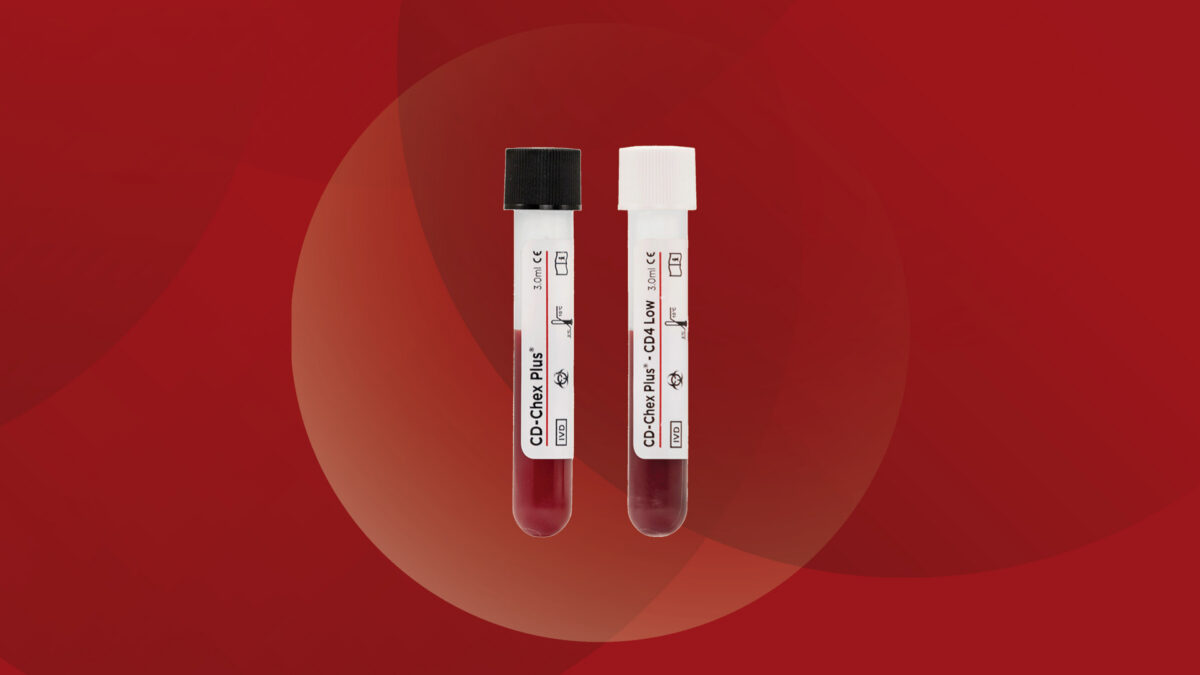
IVD · FDA Cleared
CD-Chex Plus®
Positive procedural control assaying 27 parameters for T-lymphocyte, B-lymphocyte and NK cell enumeration.
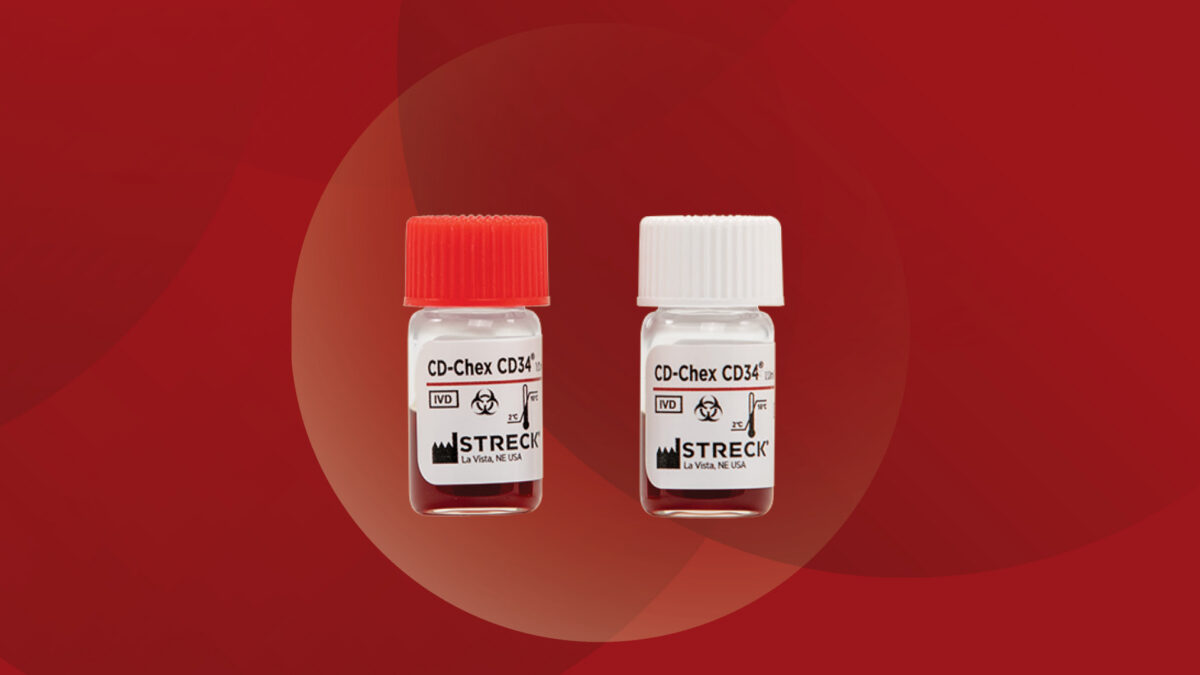
IVD · FDA Cleared
CD-Chex CD34®
The only commercially available CD34 control with three levels, requiring no dilution.
Qualitative QC
Routine daily immunophenotyping and specialized rare-marker verification
Previously ran CD-Chex Select®? CD-Chex Daily™ includes every Select marker plus additional coverage in a single vial.
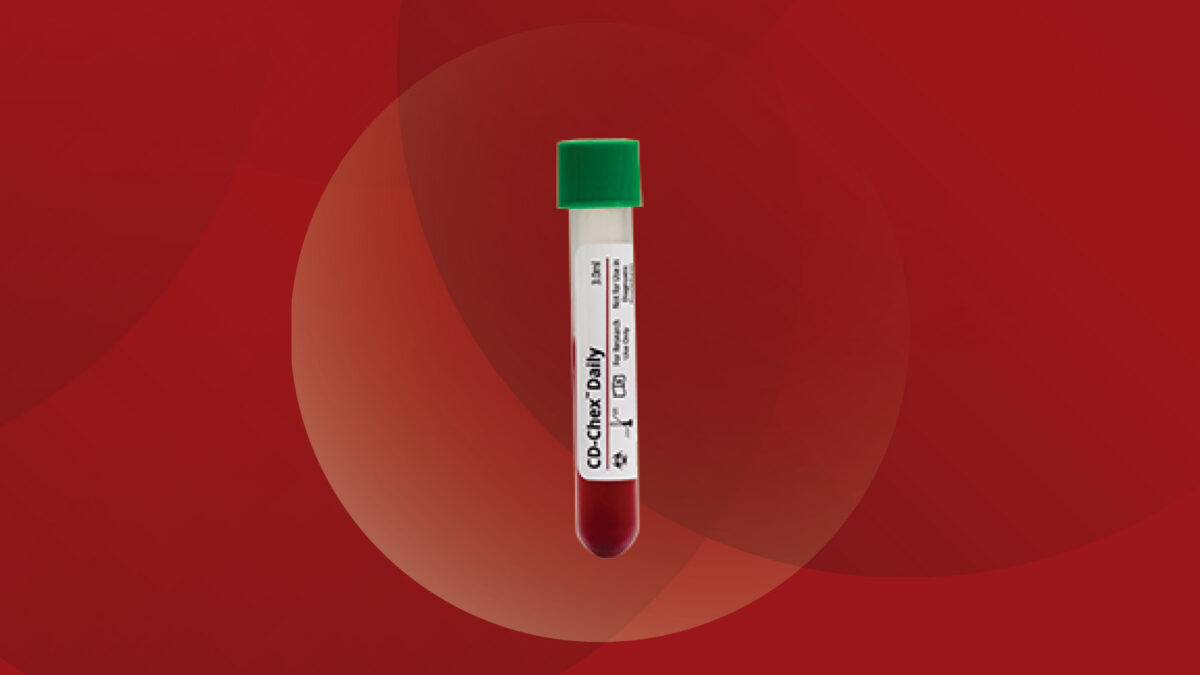
Research Use Only
CD-Chex Daily™
A stabilized whole blood control assaying 51 RUO markers for routine daily immunophenotyping in a single vial.
Research Use Only
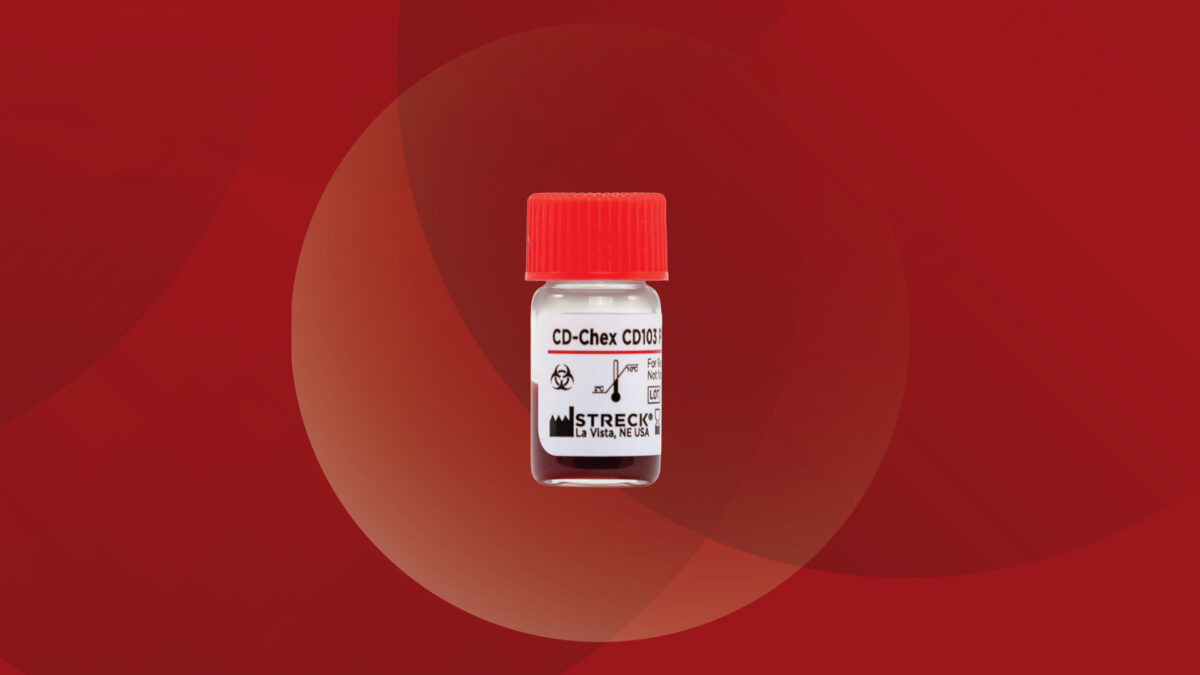
CD-Chex CD103 Plus®
The only commercially available control assayed for CD103, CD30, CD38, CD56, CD138 and cytoplasmic Lambda.
Research Use Only
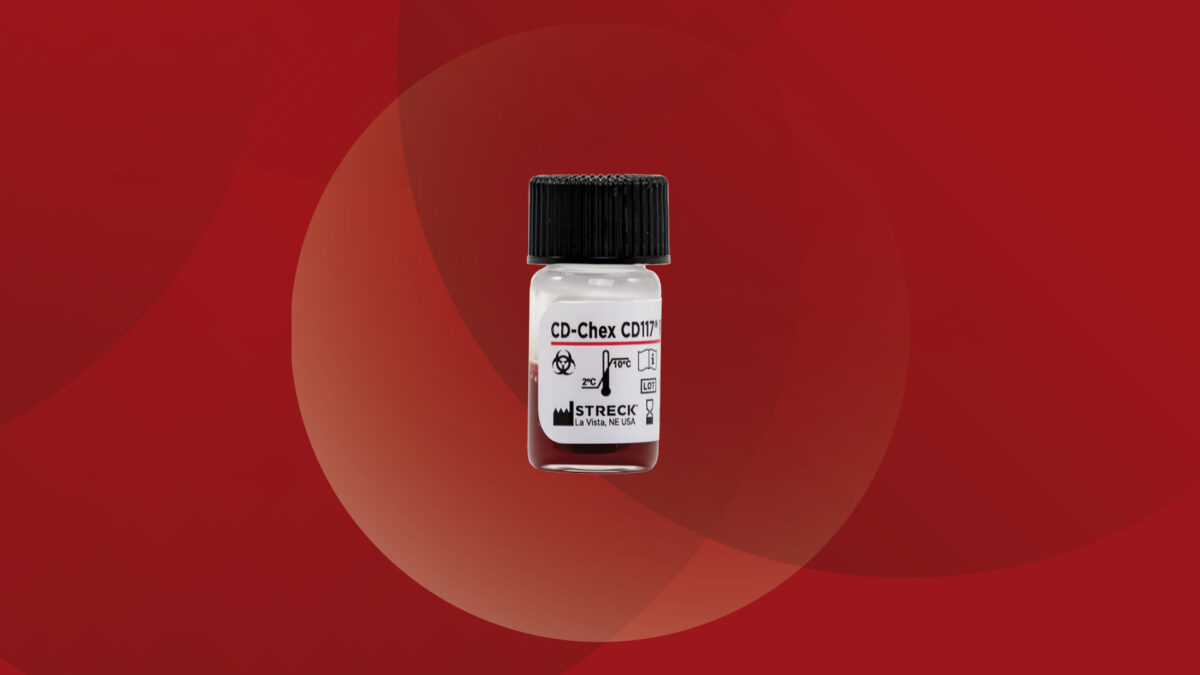
CD-Chex CD117® Plus
A positive procedural control for CD117, CD25 and CD71, designed to resemble an abnormal patient sample.
Research Use Only
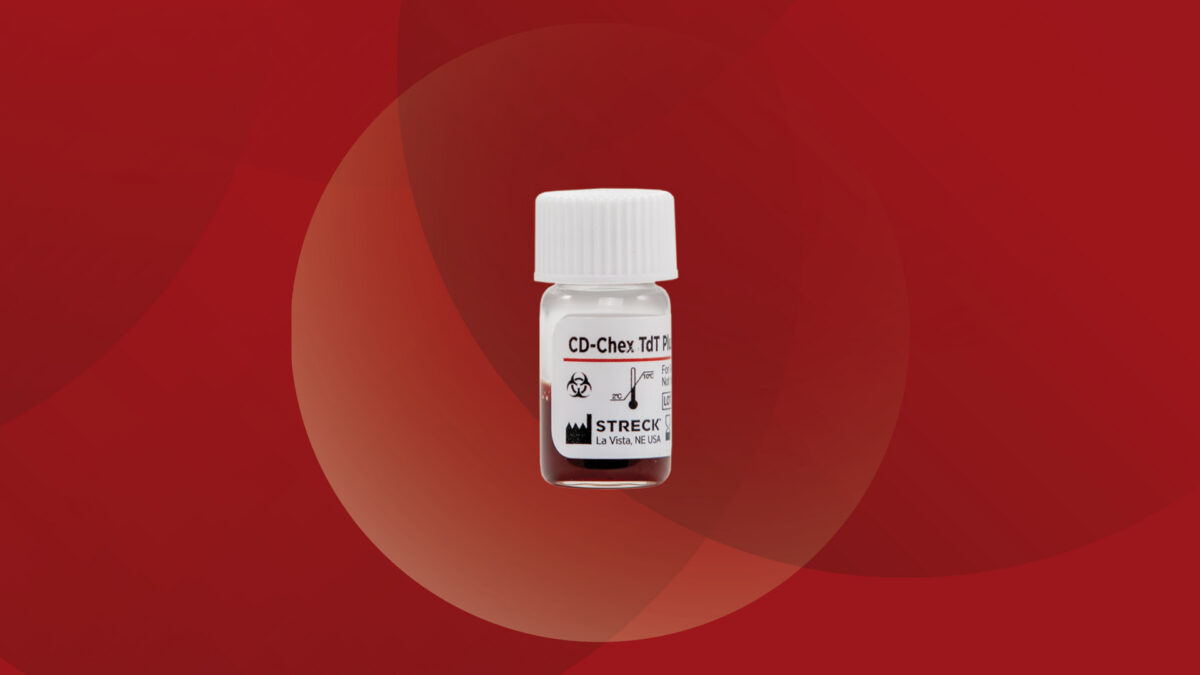
CD-Chex TdT Plus®
The only flow cytometry control assayed for TdT, CD1a, CD34 and cytoplasmic CD3.
54+
years of scientific
excellence
Zero
FDA recalls
70,000+
labs worldwide rely on
Streck products
ISO 13485
certified manufacturing
Build Your Control Alongside Your Platform
Don’t wait until your instrument or reagent panel launches to find out there’s no compatible control ready for it. Streck brings decades of stabilized blood control manufacturing to co-development, offering regulatory support, stability validation and custom formulations, quantitative or qualitative, built around your platform from the start.

The Science of Trust®
Have Questions?
Stop relying on a bead-based instrument check, a co-formulated control or a retained patient sample to catch what only an independent, full-process control can see. Talk to a Streck flow cytometry specialist about whether your panel needs quantitative QC, qualitative QC, or both, or explore the full CD-Chex portfolio matched to your workflow.
Some Streck products are for Research Use Only. Please refer to individual product pages for details.