
Sample Stabilization · Blood Collection Tubes
It Starts With
the Right Tube
Blood starts changing the moment collection ends.
Everything after that depends on what you collected it in.
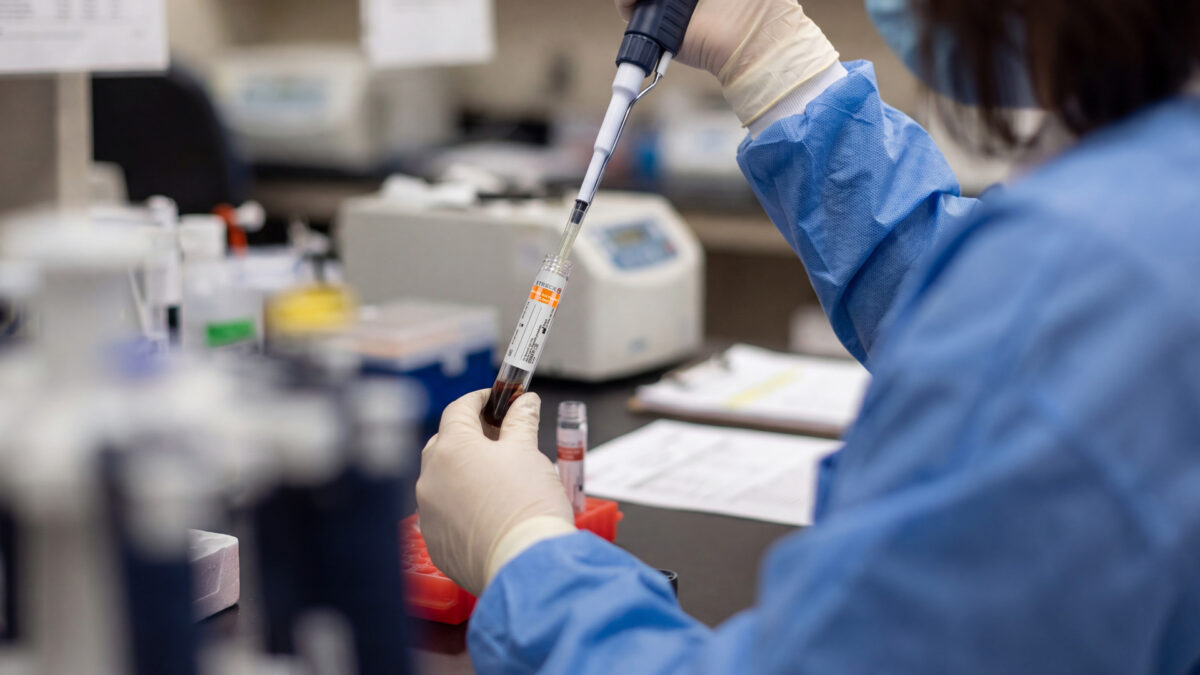
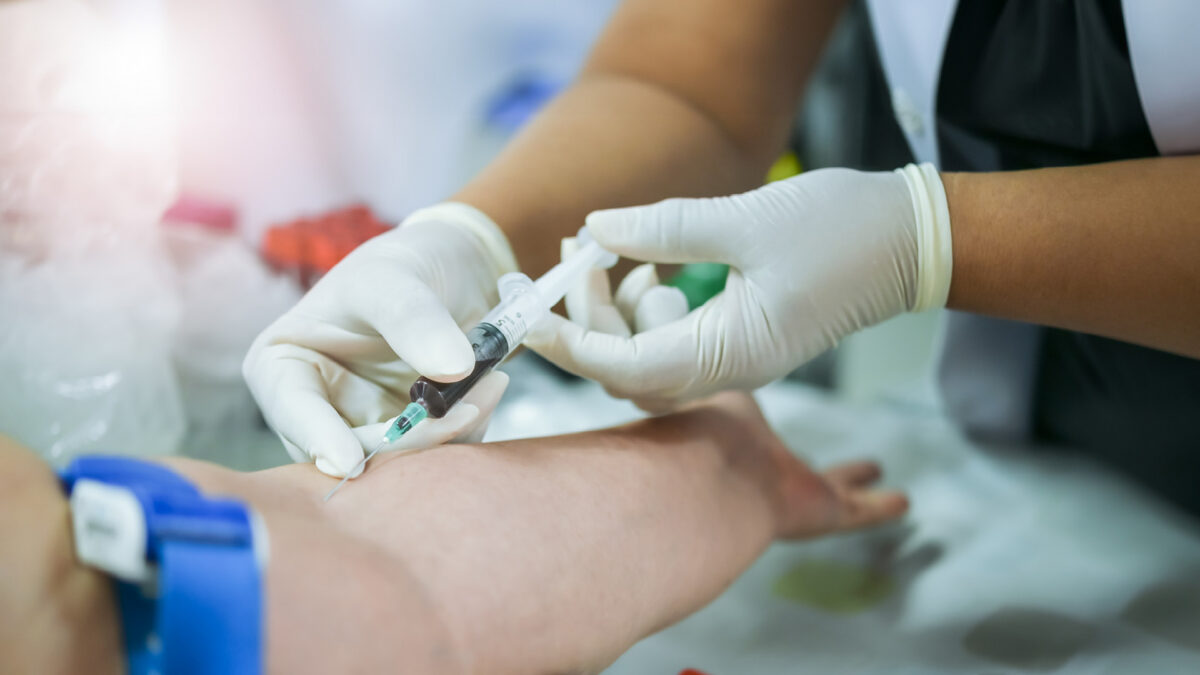
New to stabilization
What Is Pre-Analytical Variability?
Why samples degrade between collection and analysis, and what it costs.
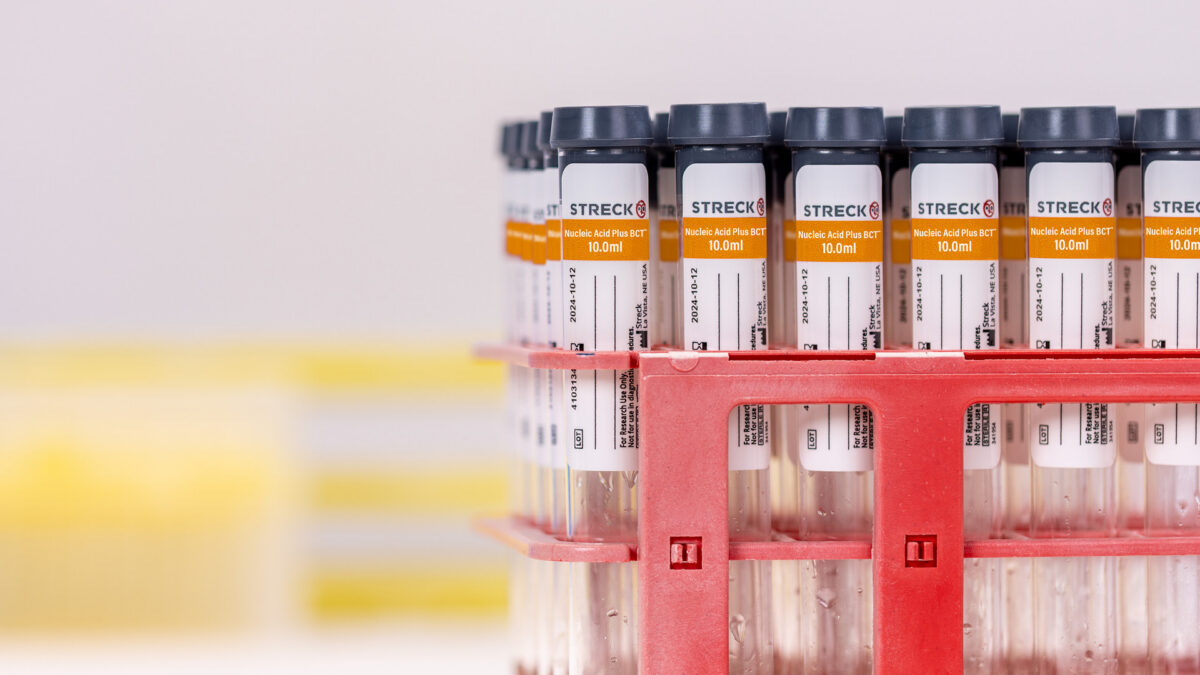
Choosing a tube
Which BCT Is Right for Your Workflow?
Select your matrix and analyte to find the right tube for your workflow.
See it in action
How Stabilization Works in Under 3 Minutes
A quick video walkthrough of the chemistry and what it means for your samples.
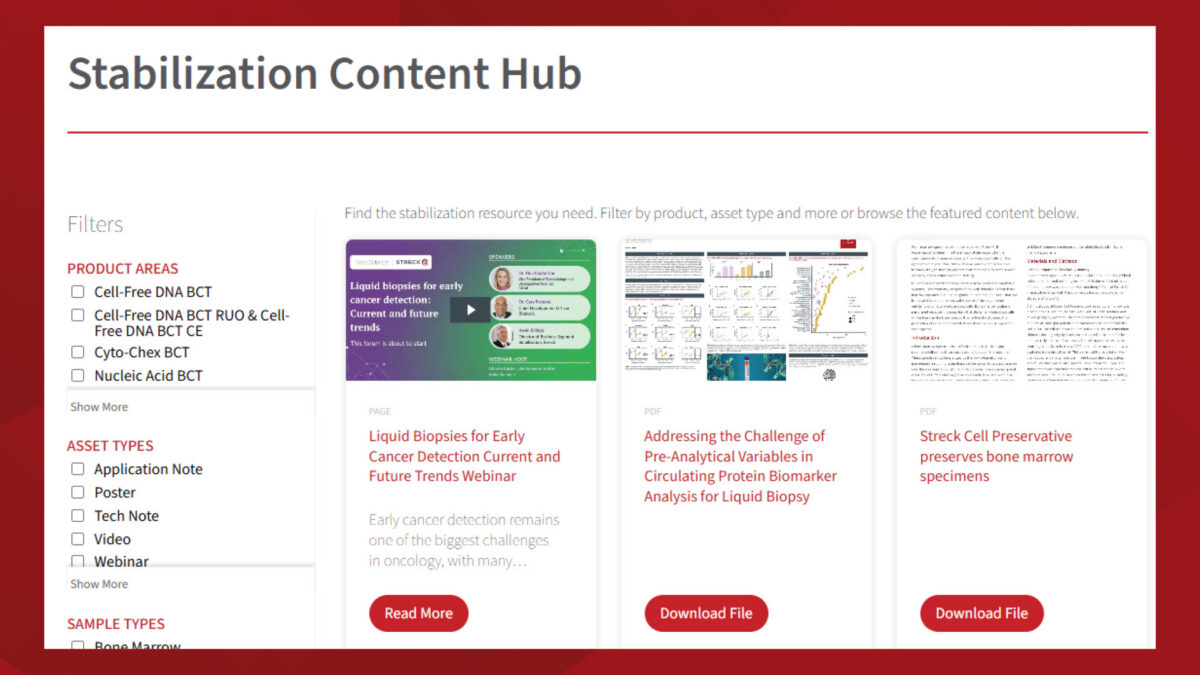
Access to resources
Browse BCT content
Application notes, IFUs and technical guidance
Signs You’re Already Fighting Pre-Analytical Variability

“Our results don’t replicate between sites or batches.”
Different paths to the lab produce different degradation rates, and your data can’t tell the difference. It reads as biology, but the real cause is collection.
“Our cfDNA yield drops when samples take longer to reach the lab.”
White blood cells start breaking down within hours of the draw, flooding the plasma with cellular DNA. By the time the sample reaches you, it’s already diluted the signal you came for.
“We can only run flow cytometry if the sample is processed same-day.”
Surface markers on immune cells degrade within hours of collection. Same-day processing is compensating for a tube that can’t hold the sample any longer.
“Our biomarker profiles shift depending on when the sample was processed.”
Enzymes in blood don’t stop at collection. The longer a sample sits, the more handling time gets folded into your biomarker signal.
Here’s What’s Actually Happening Inside Your Tube
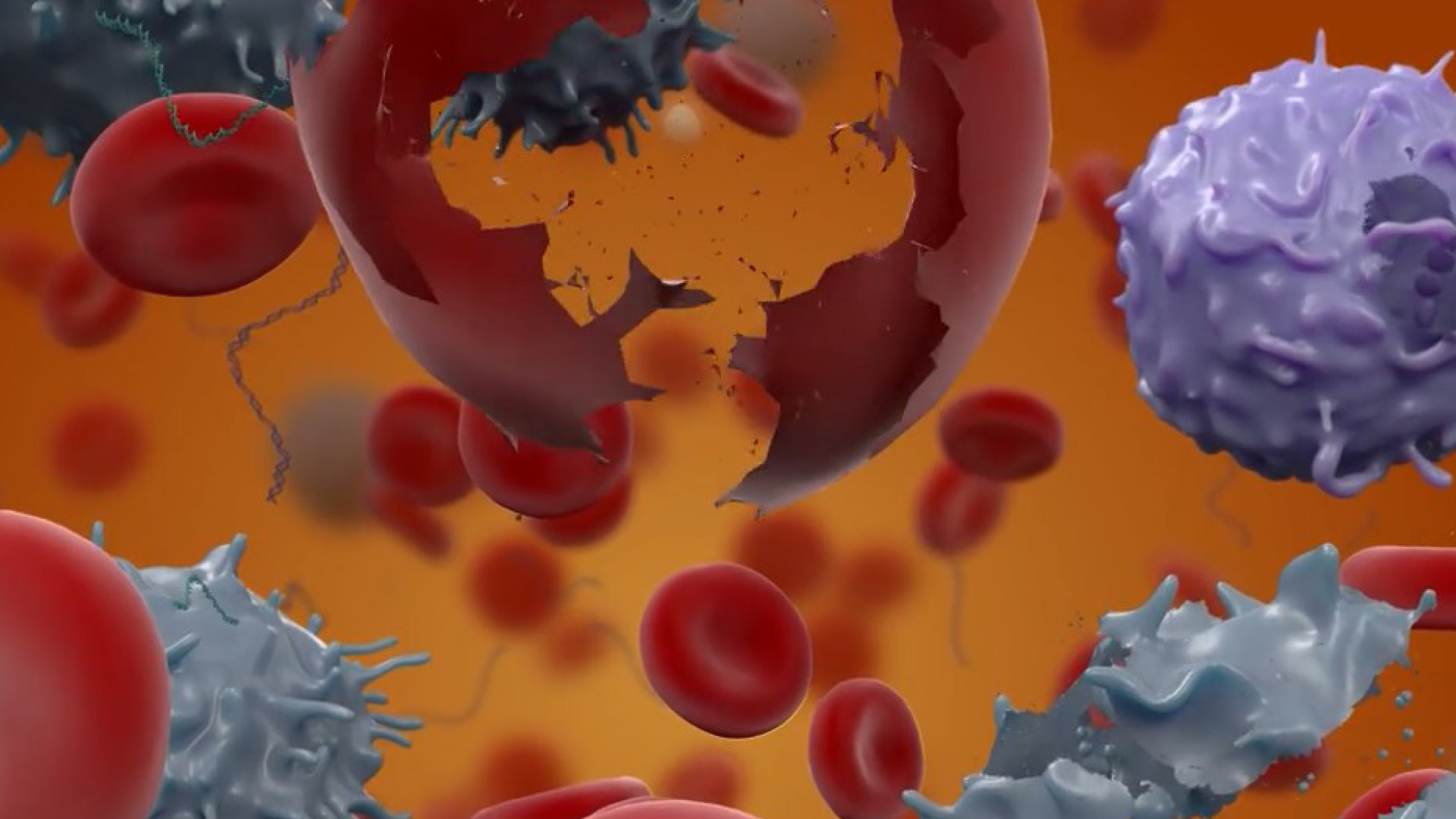
Blood doesn’t stop changing because collection ended. White blood cells break down and release cellular DNA into the plasma. RNA-degrading enzymes stay active. Platelets respond to the tube environment. The sample at analysis is not the sample at draw.
Standard EDTA tubes are designed for immediate processing at the bench. Transit and batch workflows push past what that design was built to handle. They’re the default because that’s what the workflow has always used; the chemistry was never validated for this. That assumption holds up less and less in modern workflows, with distributed sites, shipping and batch analysis. No downstream process recovers what was lost in transit, and by the time the limitation shows up, fixing it means redoing your assay, your data and your regulatory file.
What Happens Without Stabilization
White blood cells break down and flood the plasma with cellular DNA, overwhelming the cell-free signal and masking rare variants, the very ones you were trying to find in the first place.
RNA from breaking-down white cells, immature red cells and activated platelets enters the plasma after the draw and buries the draw-time signal.
Platelets activated post-collection shed additional particles into plasma, inflating extracellular vesicle counts. Your “signal” may just be tube chemistry.
Surface markers used to identify immune cell populations break down at room temperature. Batch testing stops being a scheduling constraint and starts being a data integrity problem.
If Any of These Are True, You Already Need a Stabilization Tube
The earlier you catch this, the less there is to unwind later.
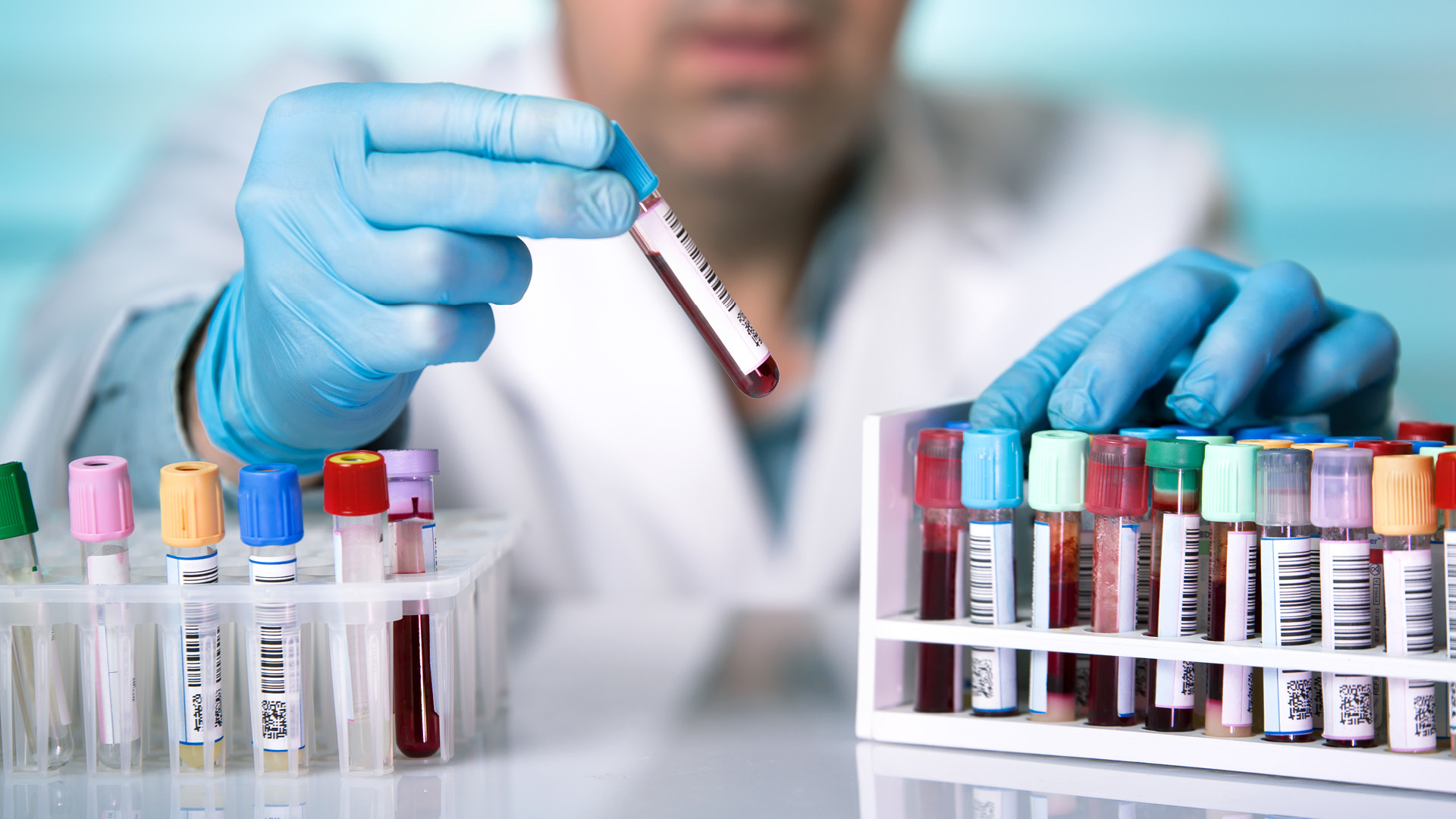
Without stabilization, degradation begins within minutes of the draw. Standard tubes weren’t built to stop it.
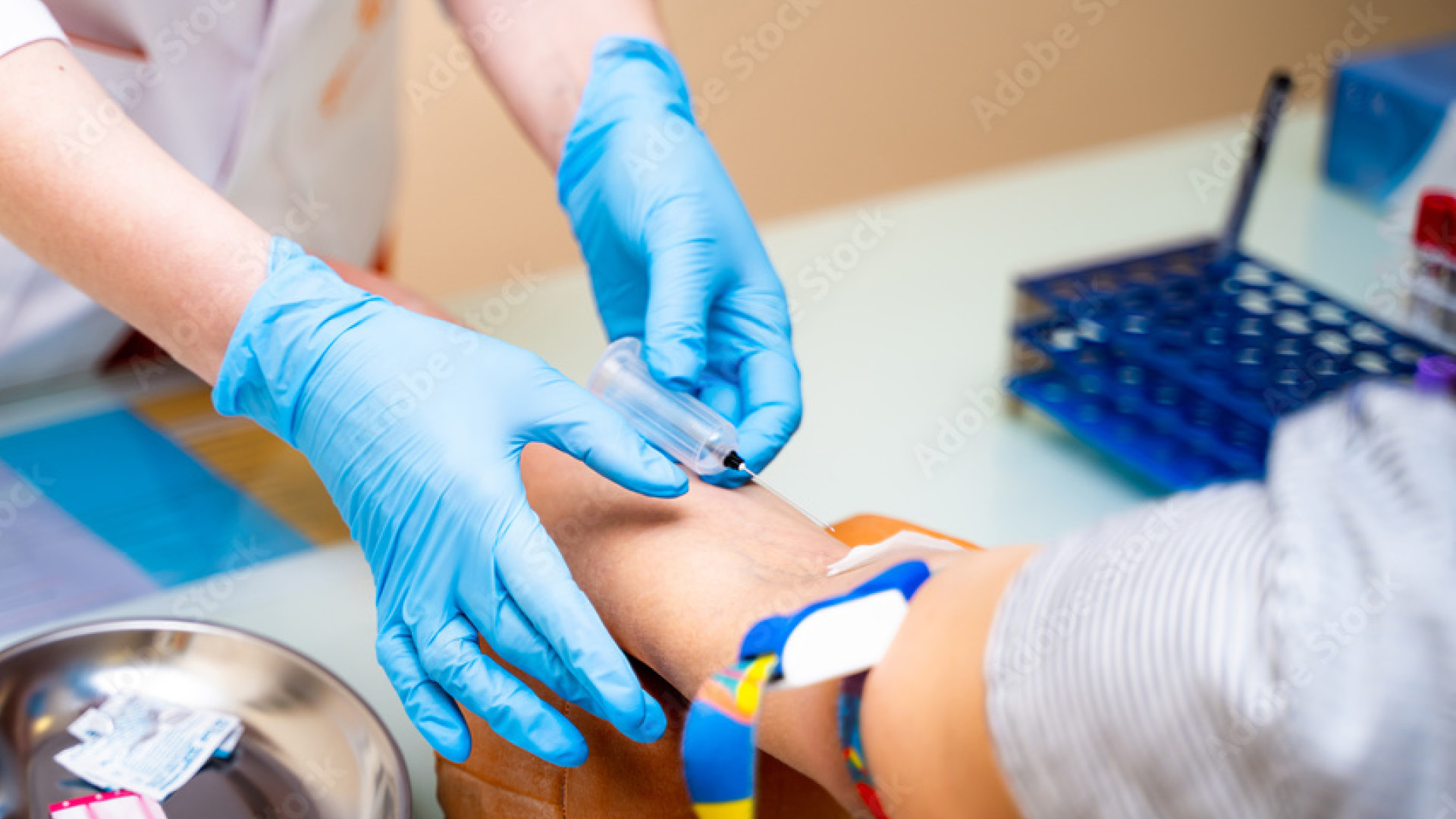



Your Partner from Discovery to Clinic
01
Development
The tube you choose at Development sets the ceiling for everything that follows. Validate around stabilized samples now, and you won’t need to revalidate around different chemistry later.
02
Translation
Pre-analytical consistency across sites and timepoints is what separates publishable findings from reproducible clinical evidence, and it’s easier to keep than to retrofit.
03
Validation
Regulatory submissions often require documented pre-analytical performance. Build it in from Development forward, so it’s part of your file from the start, rather than a revalidation project you take on after the fact.
03
Scale
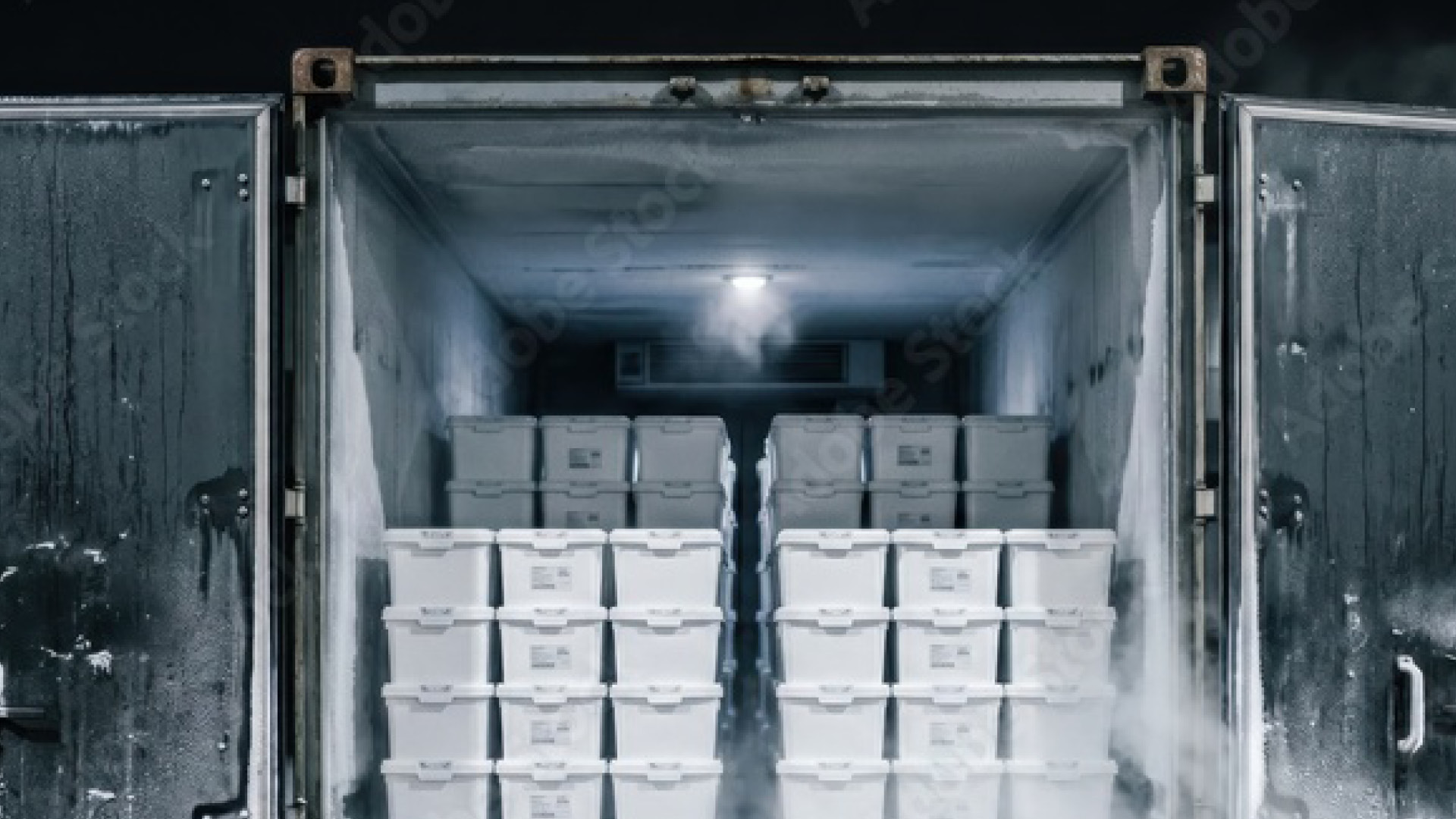
More sites introduce more pre-analytical variables. ISO 13485 manufacturing, a zero-FDA-recall track record and a global supply chain already trusted by 70,000+ labs mean scale doesn’t have to mean inconsistency, or a fresh validation cycle every time you add a site.
1,400+
peer-reviewed publications: see the evidence →
7 days
cfDNA & cfRNA room-temp stability
14 days
whole blood stability for flow cytometry
40+
years of Streck stabilization expertise
Degraded samples are the predictable cost of reaching for the same tube out of habit, no matter what’s changed around it.
Choosing the right tube early is what keeps your options open instead of closing them down.
Match Your Sample to the Right Stabilization Solution
Use our selector tool to tell us your sample type, the analytes you’re measuring and how you’ll analyze them. We’ll show you the solutions built to preserve them, across blood, urine, tissue, bone marrow and CSF.
STEP 1: Sample Matrix
STEP 2: Single or Multiple Analytes
STEP 3: Analyte
STEP 4: Workflow
Streck Tube Early Innovators Program
Get in before your workflow decisions are already made for you. Early access includes fit-based tube access, direct technical guidance and priority support for cfRNA and select protein workflows.
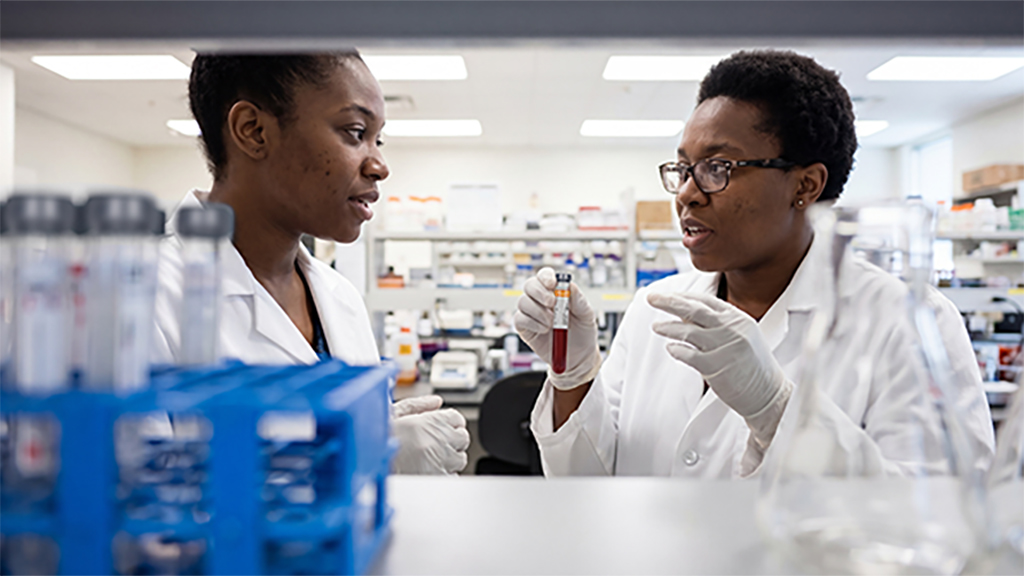
The Science of Trust®
Find the Right Tube for Your Workflow
Stop choosing your tube out of habit. Match it before your workflow locks in, while you still can. Talk to a Streck specialist or explore the full blood collection tube portfolio built to match your analyte, application and regulatory context.
Some Streck products are for Research Use Only. Please refer to individual product pages for details.