Applications · Liquid Biopsy
Liquid Biopsy
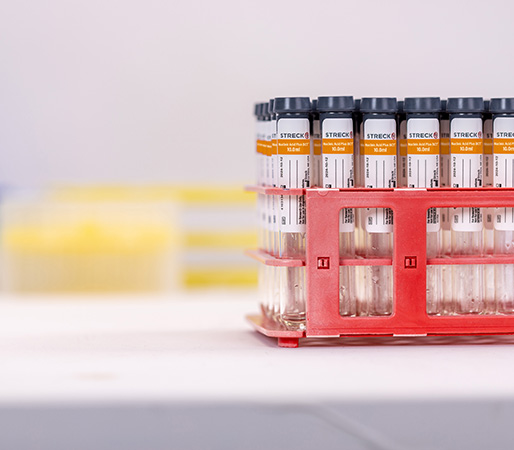
A single tube of blood can contain circulating tumor DNA and other biomarkers of disease, enabling early detection, guiding treatment decisions and revealing recurrence long before symptoms appear. Unlocking that potential starts with protecting the sample from the moment it is drawn.
Why Liquid Biopsy Matters
A Dynamic, System-Wide View From a Simple Blood Sample
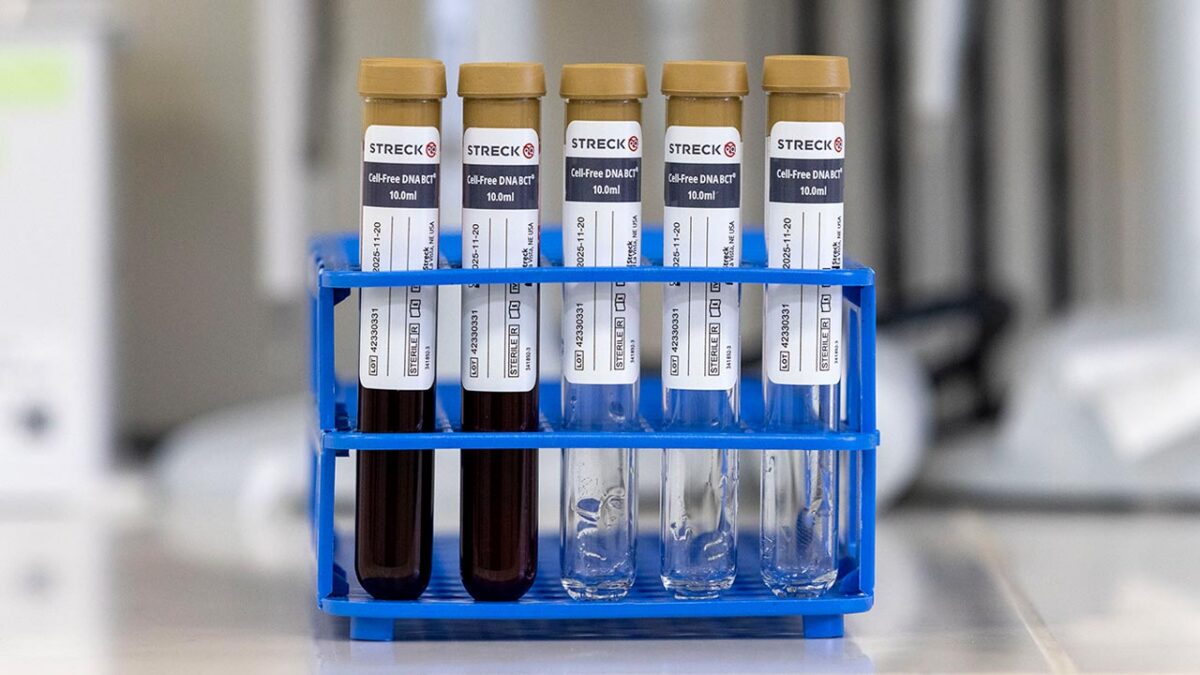
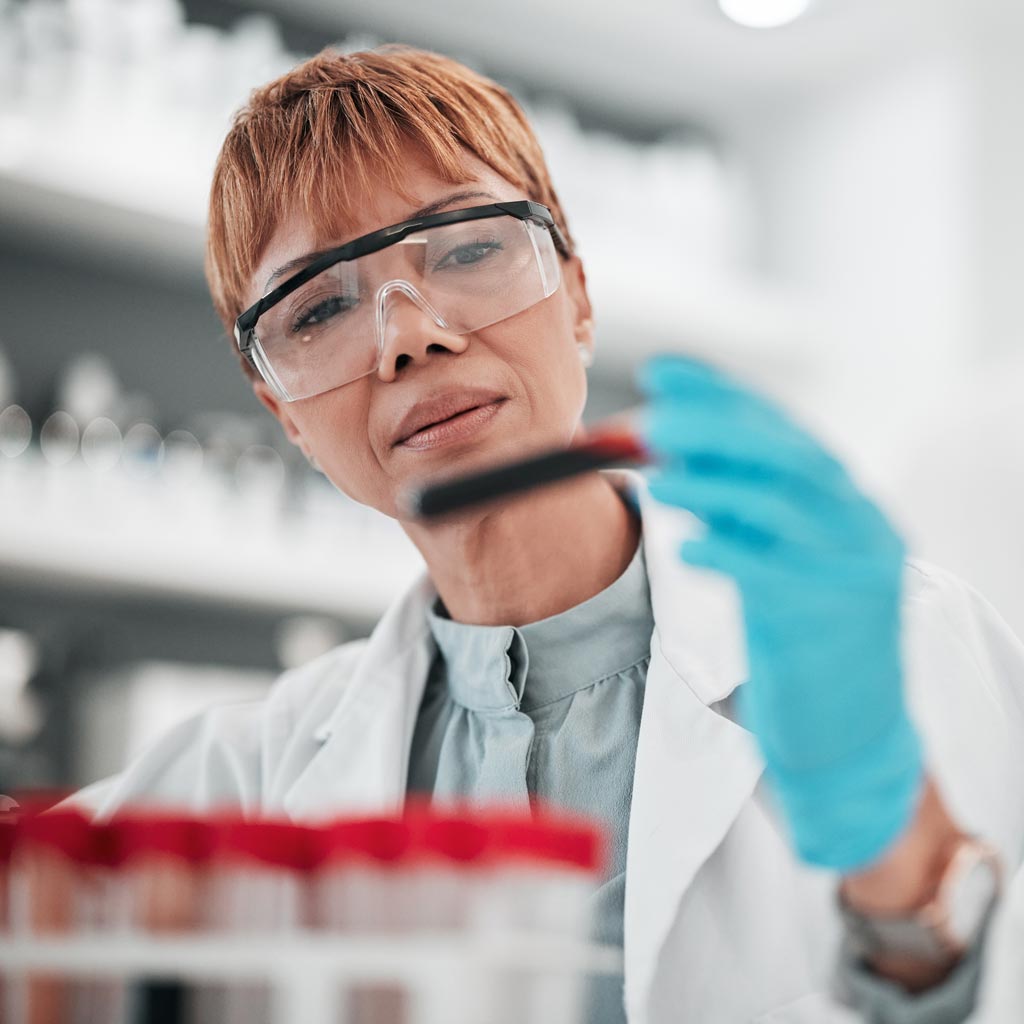
Unlike tissue biopsy, liquid biopsy provides a dynamic, system-wide view of disease from a routine, minimally invasive blood draw. That access enables longitudinal monitoring throughout therapy, detection of molecular residual disease, and holds strong promise for early cancer detection.
Where Liquid Biopsy Is Used
Liquid Biopsy Use Cases & Applications
From early cancer detection to transplant monitoring and prenatal screening, liquid biopsy is expanding into nearly every corner of diagnostic medicine. Each application asks something different of the sample, but all of them depend on the same foundation: a stable, representative blood draw.
Oncology Applications

Screening
Early Cancer Detection
Blood tests that look for circulating tumor DNA and other biomarkers are moving toward broader use, across a single cancer type or many at once, with the goal of finding disease at earlier and more treatable stages.

Treatment
Therapy Selection & Companion Diagnostics
Blood-based genomic profiling identifies the mutations that determine which targeted therapy a patient should receive, in some cases without an invasive tissue biopsy.

Surveillance
Molecular Residual Disease Monitoring
Serial blood draws track circulating tumor DNA after treatment to detect residual or recurring disease, often before it would appear on imaging.

Hematology
Hematologic Malignancy Monitoring
For blood cancers, sequencing-based monitoring is being explored in peripheral blood alongside bone marrow aspirate, which would extend serial testing into routine collection workflows.
Applications Beyond Oncology

Maternal Health
NIPT & Maternal cfRNA
Cell-free DNA, and increasingly cell-free RNA, from a maternal blood draw can screen for chromosomal conditions, fetal antigen status and pregnancy complications.

Transplant
Organ Transplant Health
Donor-derived cell-free DNA in a recipient’s blood rises when a transplanted organ is under rejection, offering a non-invasive complement to surveillance biopsies.

Neurology
Neurology & CNS
Blood-based protein biomarkers are beginning to inform neurodegenerative disease workups, opening collection to specialty and primary care settings.

ID & Pharma
Infectious Disease & Pharma Research
Pathogen cell-free DNA testing supports infection workup in immunocompromised patients, while cfDNA and cfRNA serve as endpoints across clinical trials.
On the Horizon
Emerging Applications in Liquid Biopsy
Liquid biopsy’s reach keeps extending into new disease areas, and into new questions about how AI-driven labs consume blood samples at scale. These are still-forming spaces we are tracking closely. Full articles are on the way, and here is a first look.
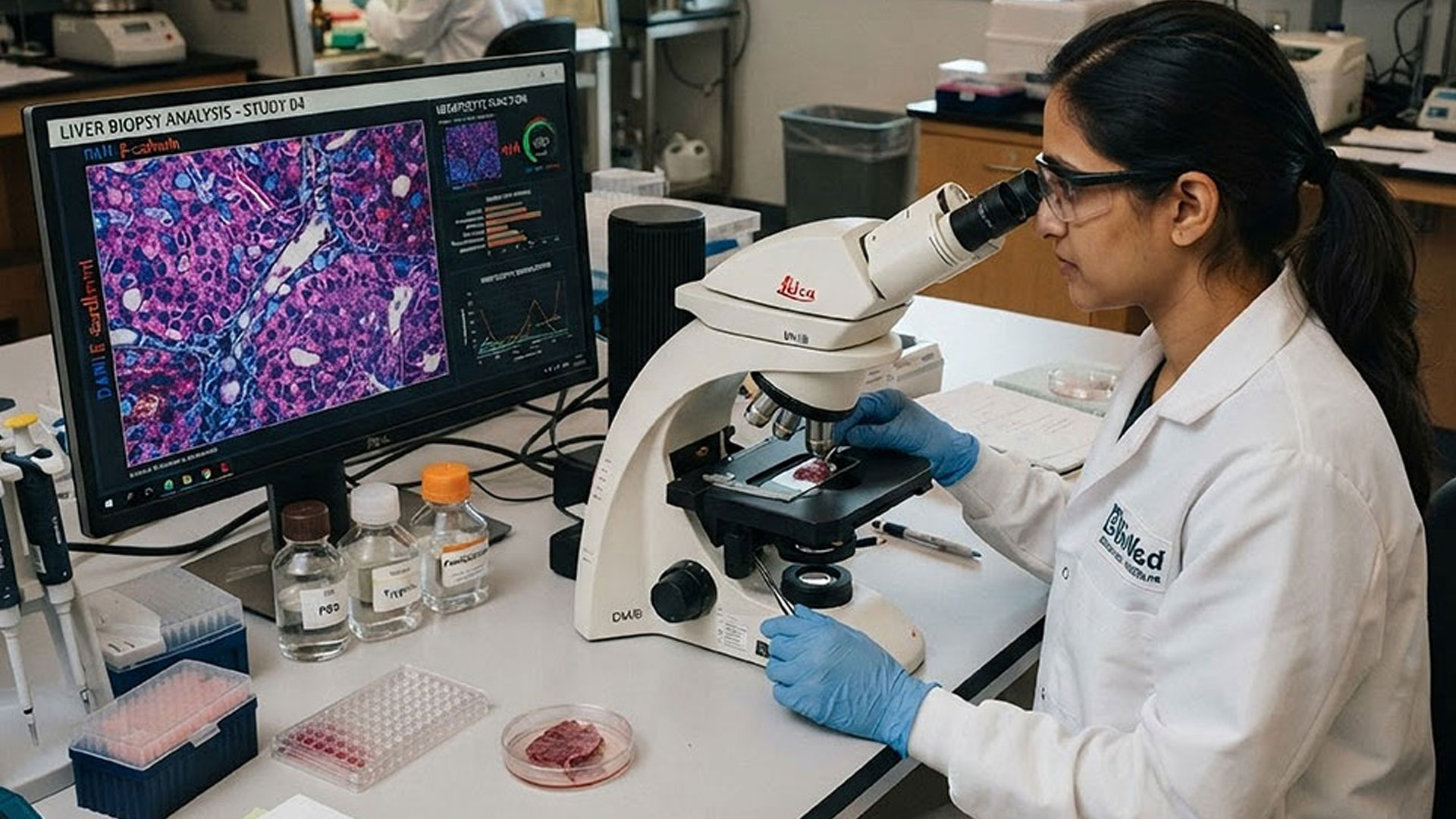
Liver & MASH
Finding the Right MASH Patients
With therapies now approved for metabolic dysfunction-associated steatohepatitis, fibrosis staging has moved from an academic question to a prescribing decision.
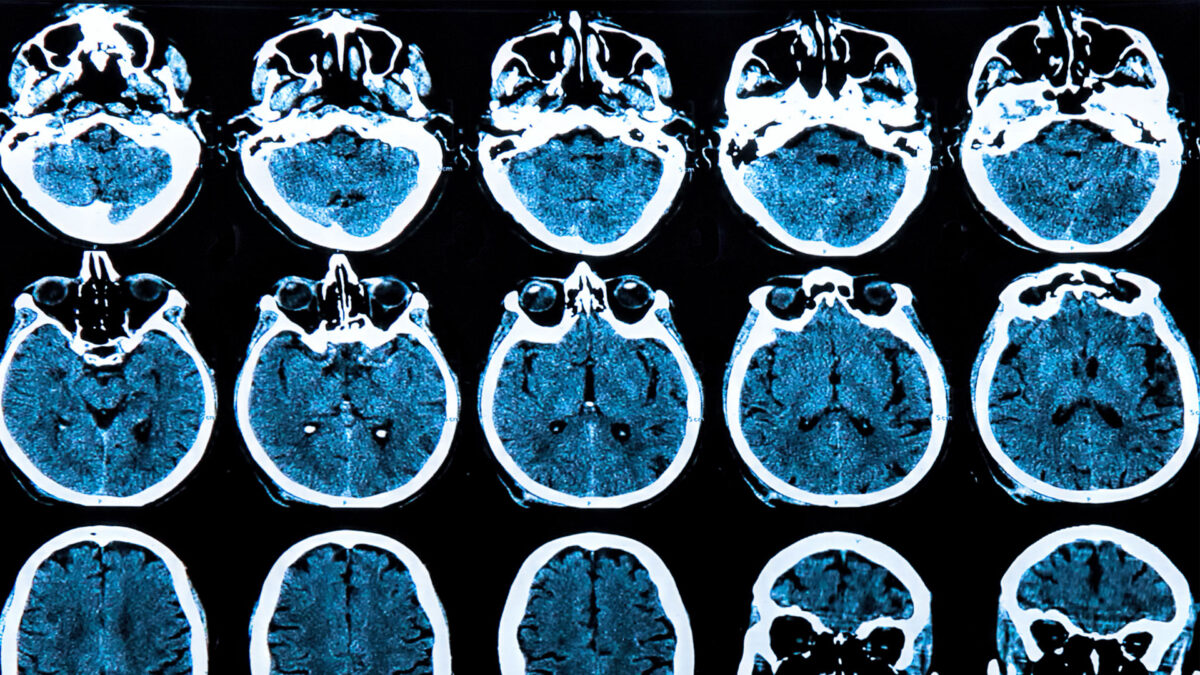
Neurodegeneration
Scaling Alzheimer’s Blood Testing Now
Blood-based Alzheimer’s biomarkers moved from research to clinical guidance in just two years, and collection is moving toward broader, more decentralized settings.
Cardiovascular
A Heart Test That’s Already Routine
Rejection surveillance already reads cell-free DNA as a ratio. Early methylation work now points at the injured heart itself, and both move when blood cells break down after the draw.
AI & Autonomous Labs
What’s Really Training Your Model
AI-driven drug discovery and self-driving labs are consuming blood samples at machine scale, and sample quality becomes part of what a model learns.
The Pre-Analytical Phase
The Role of Sample Stabilization in Liquid Biopsy
The pre-analytical phase covers everything that happens between the draw and the moment a sample reaches the instrument: collection, transport, processing and the time a specimen waits before analysis. Each of these variables can independently alter the molecular composition of a sample, and together they create a compounding risk that is largely invisible once the sample reaches the lab. Published research consistently attributes the majority of laboratory errors to this phase, with estimates ranging from 46% to 68% across studies.
Liquid biopsy targets are especially exposed to that risk, and the problem is mostly addition rather than loss. As white blood cells break down after collection they release genomic DNA into the plasma that was never circulating in the patient, so a sample that sits unprocessed for a few hours can look molecularly different from the same draw processed within minutes: the ratio of tumor-derived DNA to background DNA shifts, variant allele frequencies drop and low-frequency variants can disappear. Cell-free RNA is even more fragile, and extracellular vesicle counts can shift as platelets activate after the draw. None of this triggers a rejection flag. The sample still looks fine; it simply no longer reflects the patient’s biology.
What Happens Without Stabilization
White blood cells break down and flood the plasma with genomic DNA, overwhelming the cell-free signal and masking the rare variants a ctDNA assay is looking for in the first place.
As background DNA rises relative to tumor-derived DNA, variant allele frequencies drop, and low-abundance variants can fall below the assay’s detection threshold entirely.
RNA targets, including circulating mRNA signals and fusion transcripts, begin breaking down almost immediately after collection if the sample is not stabilized.
Platelets activated after collection shed additional particles into plasma, inflating extracellular vesicle counts in ways that have nothing to do with the patient.
The Collection-to-Lab Gap
The same gap shows up in different forms: a multi-site study routing draws through different couriers and climates, decentralized collection happening far from any lab, or samples batched and queued together before they are processed. A lab controls what happens once a sample arrives. Everything before that is decided elsewhere, and it is exactly as consequential.
Outside the Lab’s Control
Happens before a lab ever sees the sample and none of it shows up in the result.
- Draw-Site Mixing
Whether the tube was inverted correctly right after the draw - Transit Temperature
Heat or cold exposure between the draw site and the lab - Courier Handling
How the sample was packaged, shipped and handled en route - Time to Receipt
Whether the sample reached the lab in two hours or eight
Inside the Lab’s Control
Comes under direct laboratory control once the sample arrives.
- Centrifugation
Timing and conditions of the spin that separates plasma - Plasma Separation
Careful aliquoting once the sample is spun down - Storage Temperature
Consistent cold-chain control from receipt onward - Processing Time
How quickly the sample moves from receipt to analysis
Evidence Library
Where the Evidence Lives
None of these variables announce themselves. A compromised sample can pass visual inspection and move through the workflow without raising a flag, which is why standardizing collection and validating the stabilization chemistry matters as much as the assay itself.

Scientific Research
Citation Library
Browse published research on sample stabilization technology, searchable by application and analyte.

Industry Consortium
BloodPAC
Cross-industry consortium focused on liquid biopsy data harmonization and pre-analytical standards across institutions.

OPEN-ACCESS DATABASE
OpenOnco
An independent open-access database of liquid biopsy tests and research resources. Streck is a sponsor.
The Foundation
It Starts With the Right Tube
Streck’s blood collection tube portfolio was built for liquid biopsy and cell-free biomarker workflows. Our tubes act on the blood cells themselves, helping limit white blood cell breakdown, enzyme activity and platelet activation after the draw, so the sample that arrives at the lab more closely reflects the one that left the draw site. That supports consistent performance across sites and time points, and it means samples can move at ambient temperature without refrigeration. Stability windows vary by product and analyte. That’s The Science of Trust®.
54+ years
In Pre-Analytical Innovation
70,000+
Labs Worldwide Rely on Streck
Why This Work Matters
Our Mission
Liquid biopsy’s promise isn’t only clinical. It’s about who gets access to early detection at all.
A blood draw is far easier to deliver than a biopsy suite or an imaging center, which is what makes this technology capable of reaching communities that have historically been left out of early cancer detection. That is the reason sample stabilization matters beyond a single lab or a single study: a stable sample can travel anywhere a blood draw can happen, and that reach is the whole point.
Streck Sponsorship
Supporting the HopeScan Initiative

Streck sponsors the HopeScan Initiative, a nonprofit expanding access to early cancer detection and screening for underserved communities across sub-Saharan West Africa. Their work is a reminder of what’s at stake when sample collection is simple enough to reach the patients who need it most.
Partnerships
Streck Tube Early Innovators Program
Building a liquid biopsy assay? Get evaluation access to Streck blood collection tubes, technical consultation and support as your science evolves, well before your workflows and protocols are locked in. For teams working on novel approaches, this is also where many of our closest collaborations and co-development partnerships start.
- Guidance on selecting the right stabilization approach
- A path from evaluation to commercial scale on the same tube
- Evaluation access to Streck blood collection tubes
- A direct line to our technical team for co-development and partnership conversations